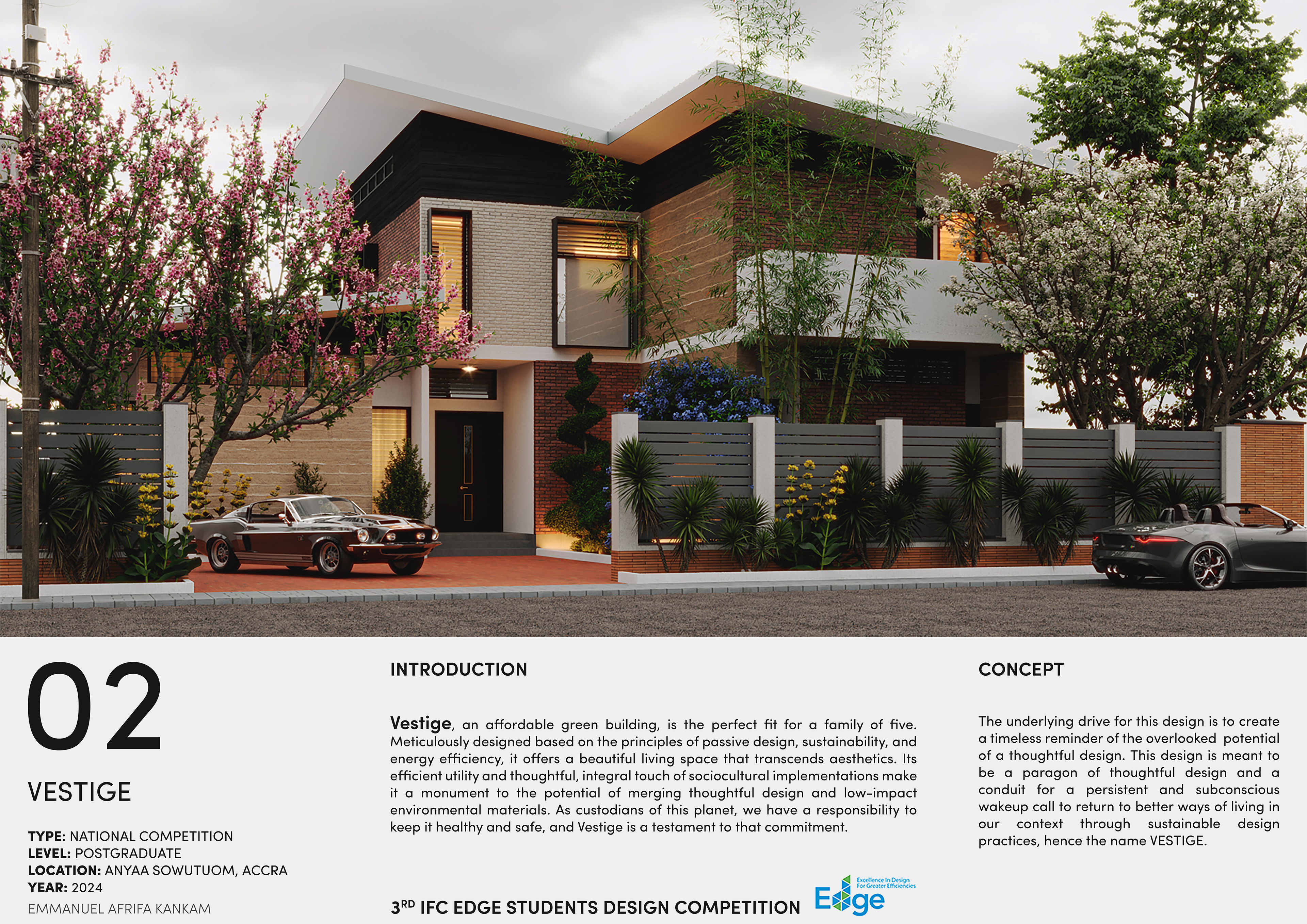
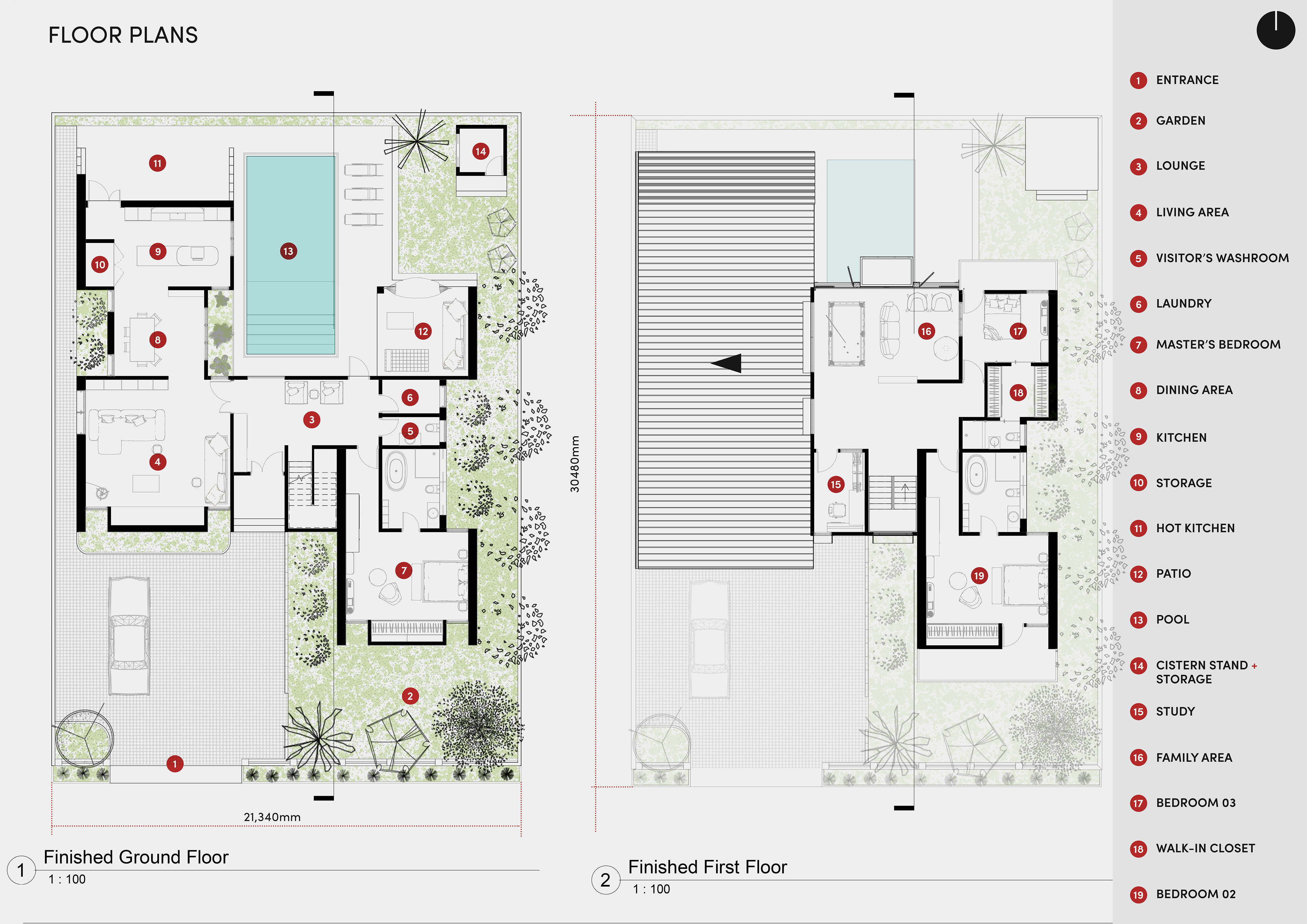
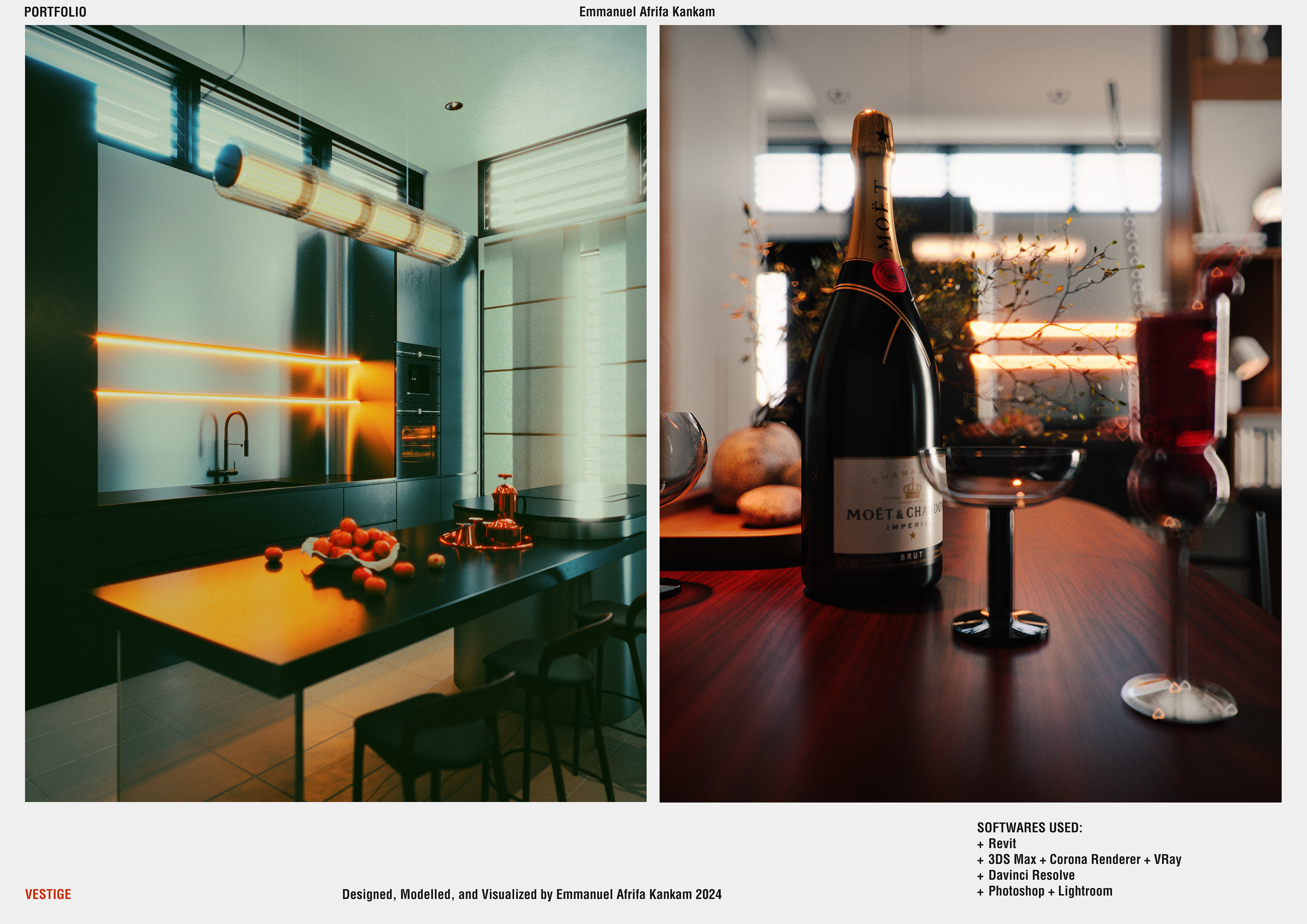
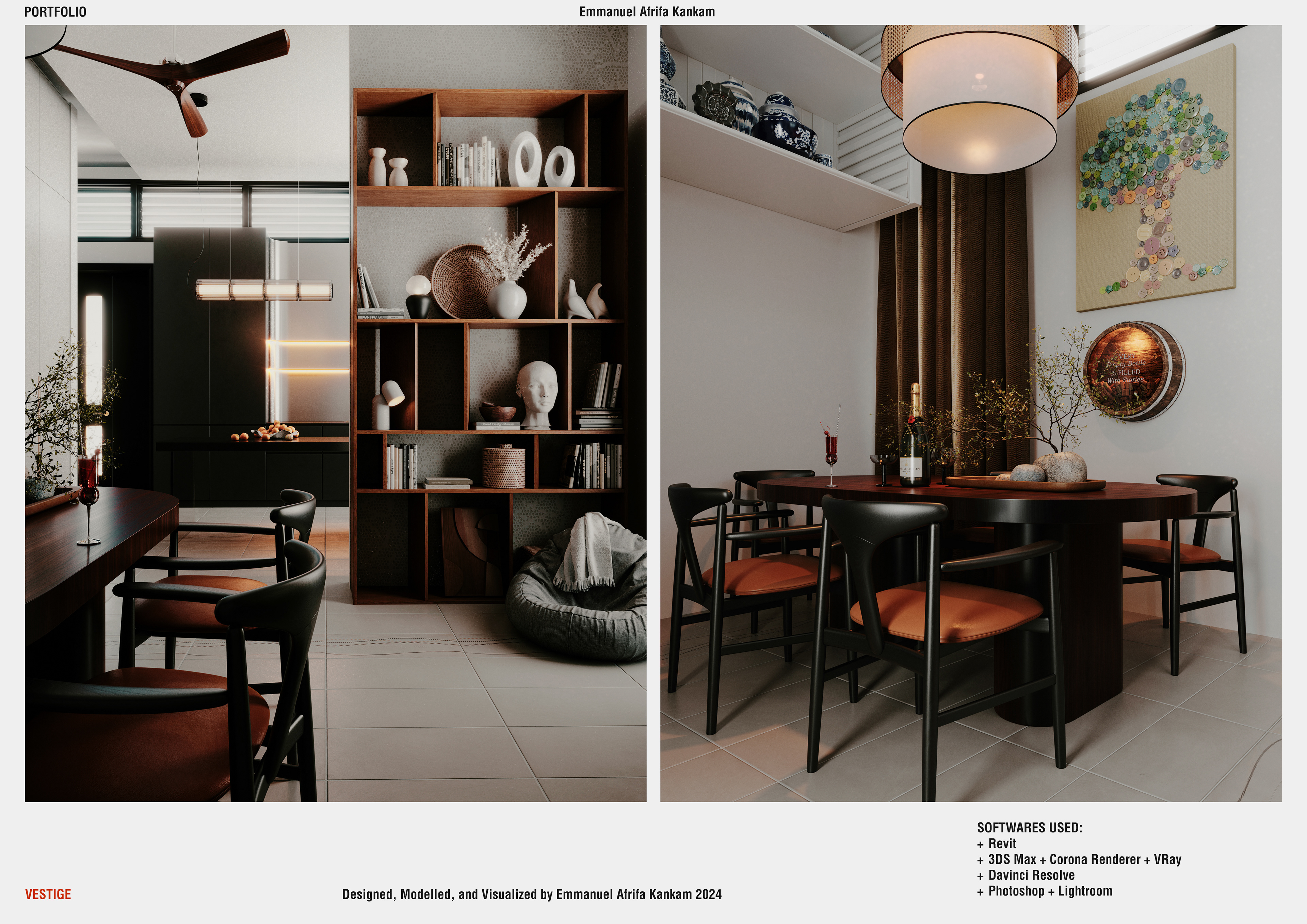
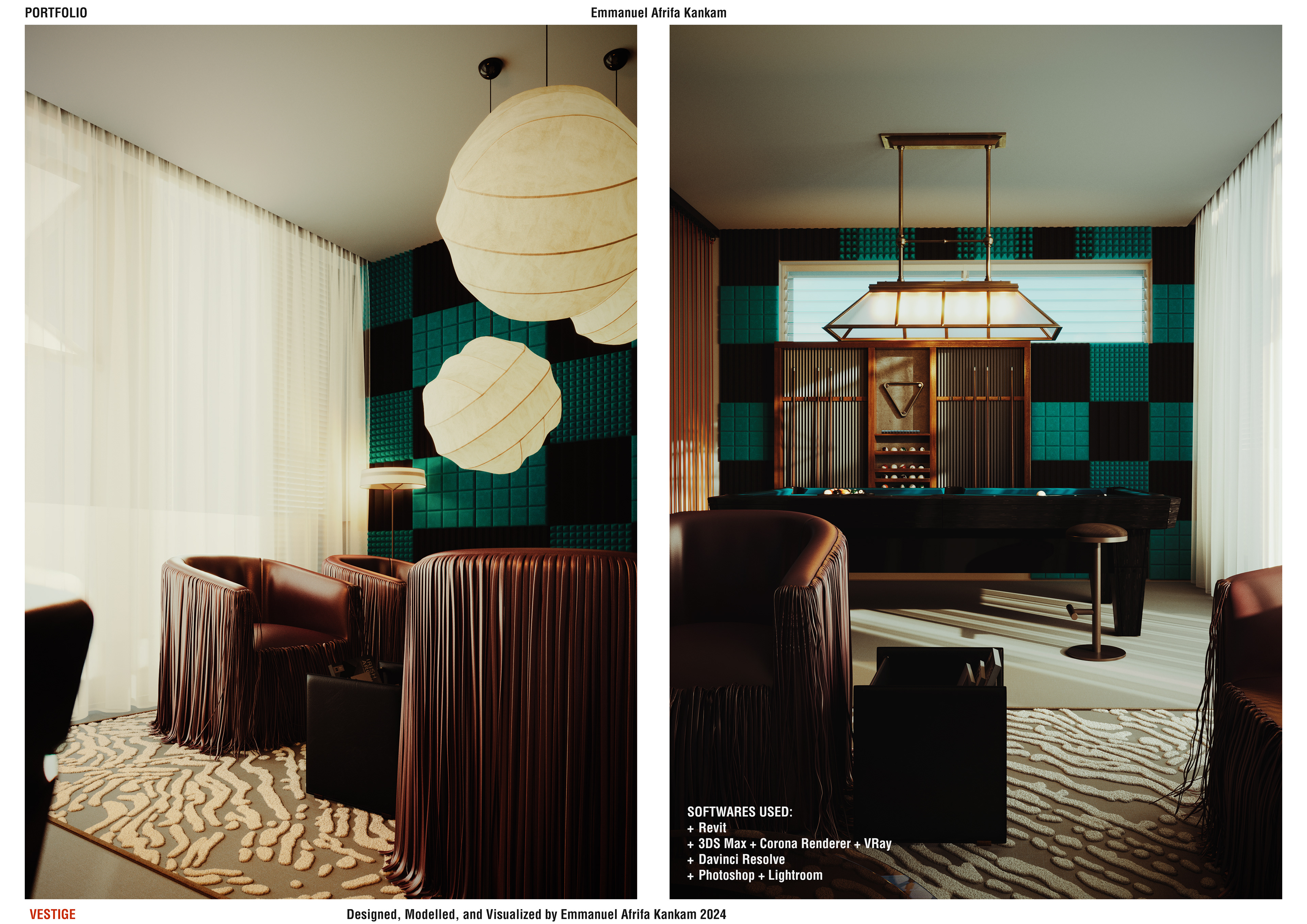
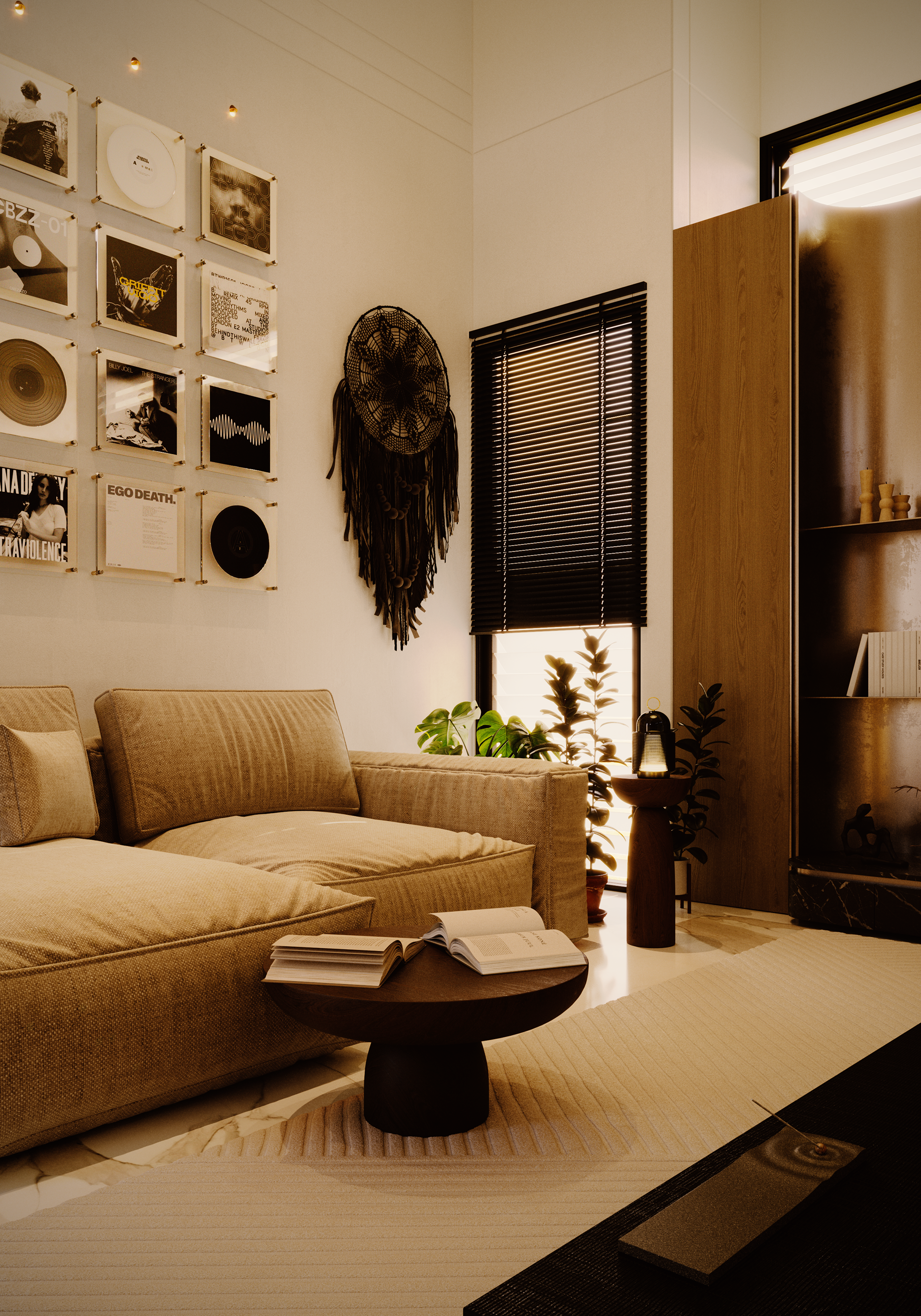
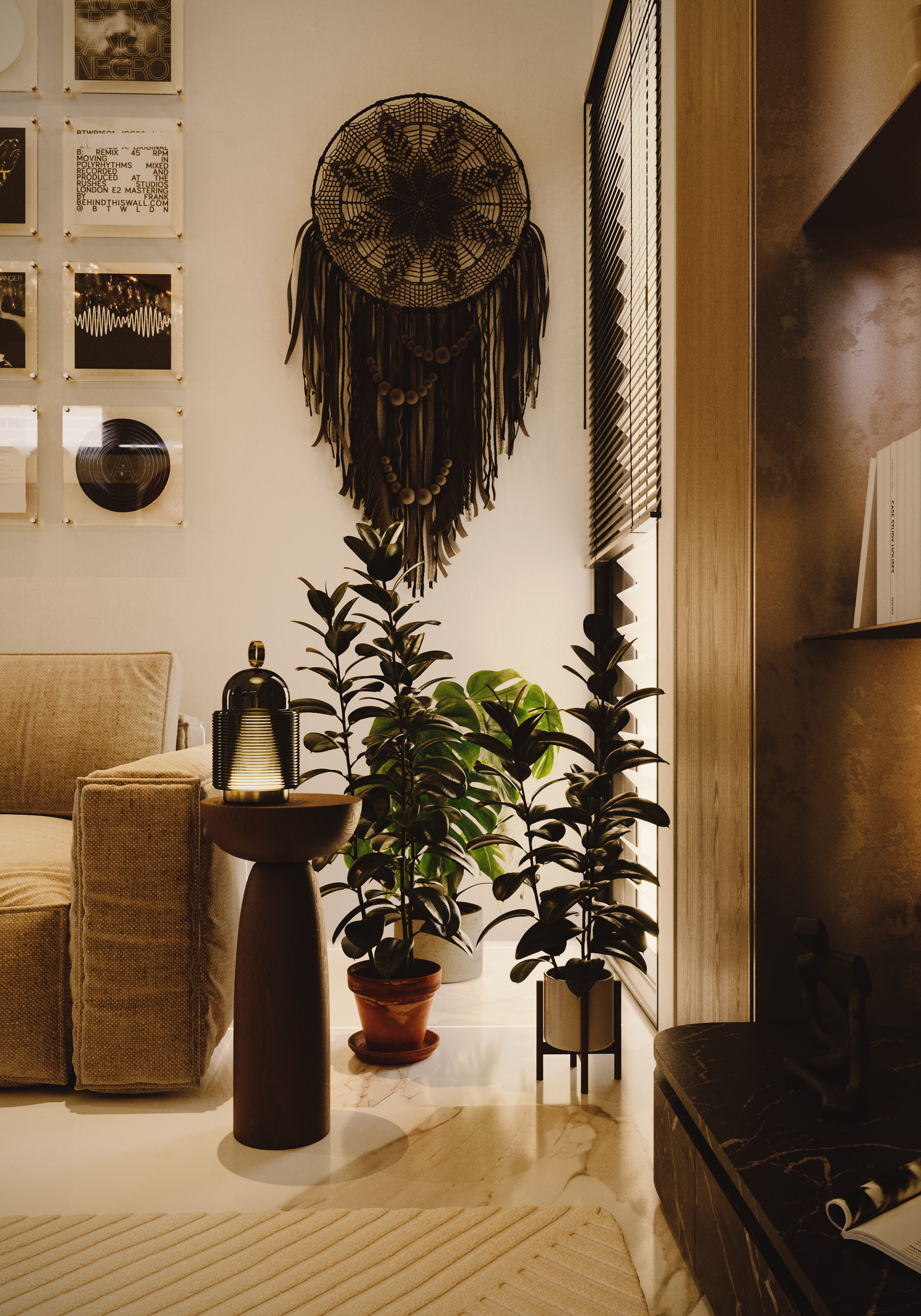
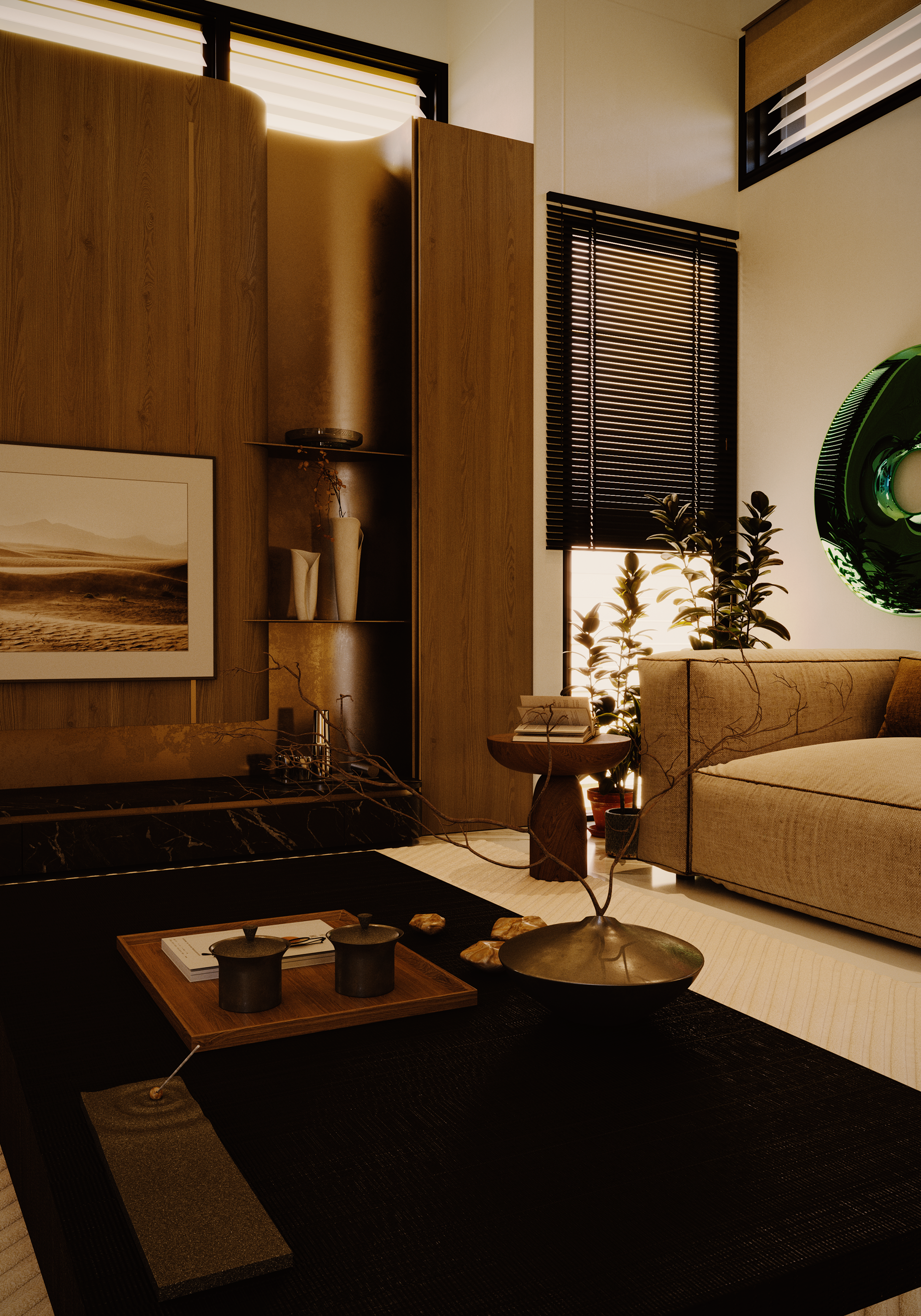
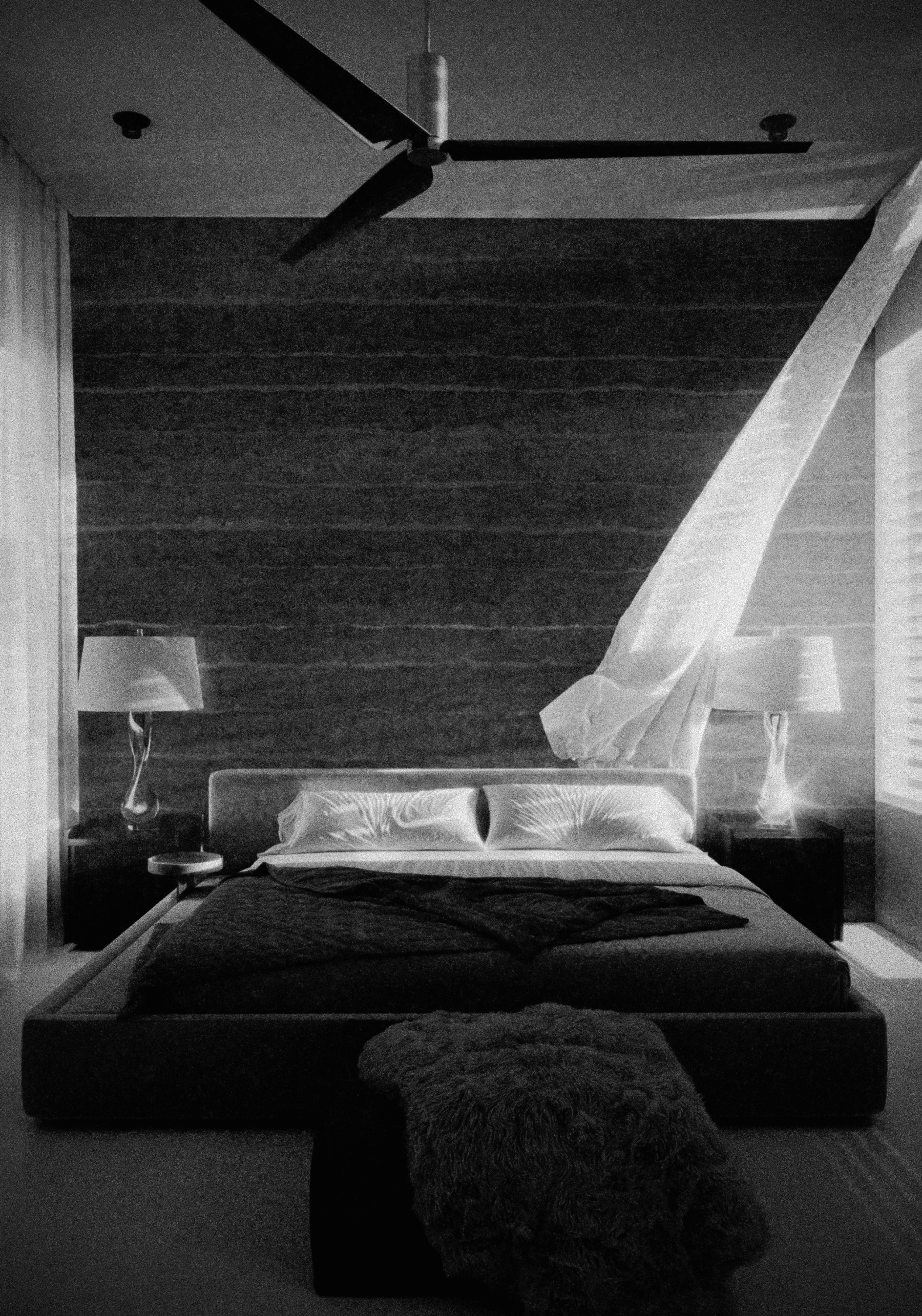
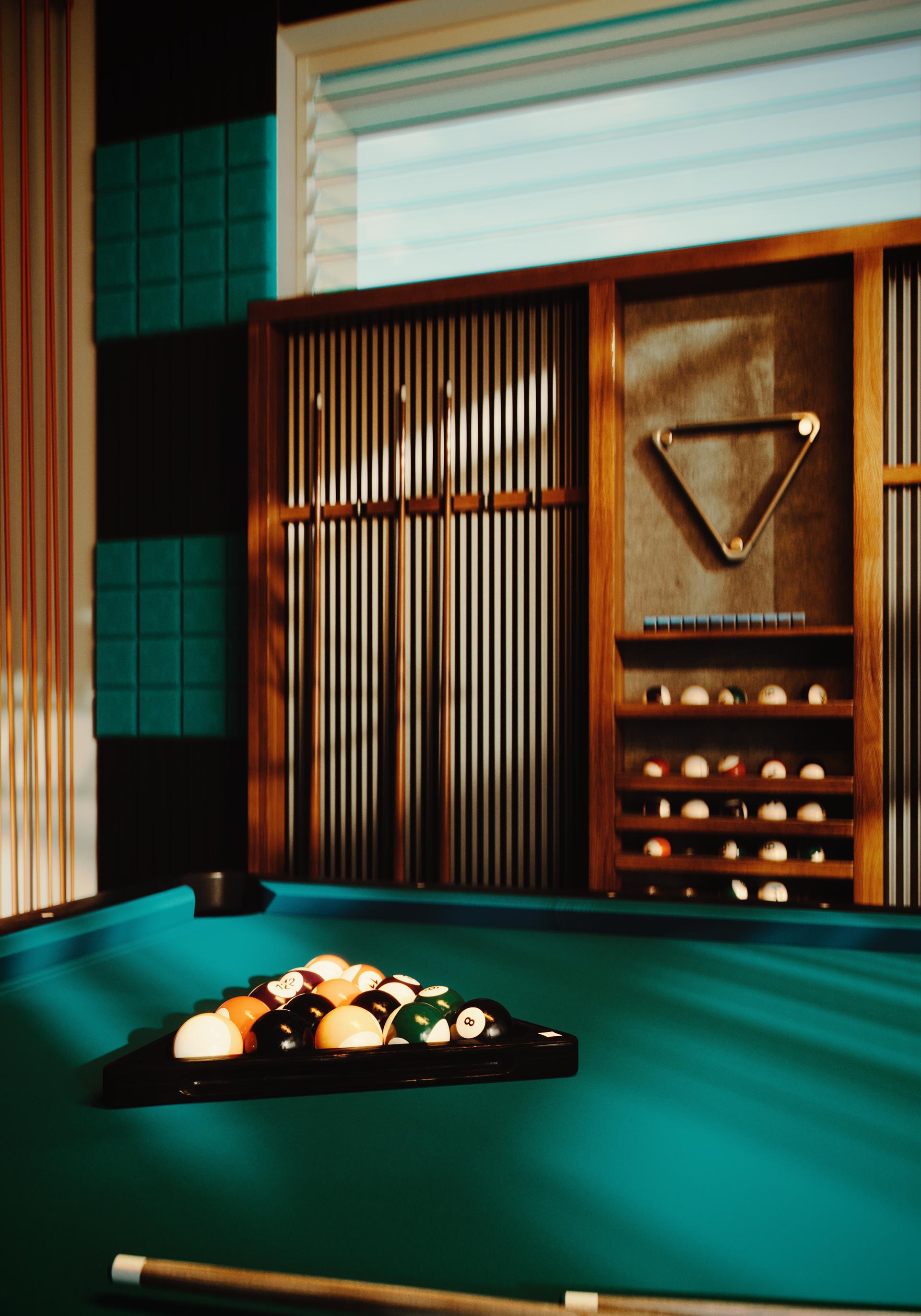
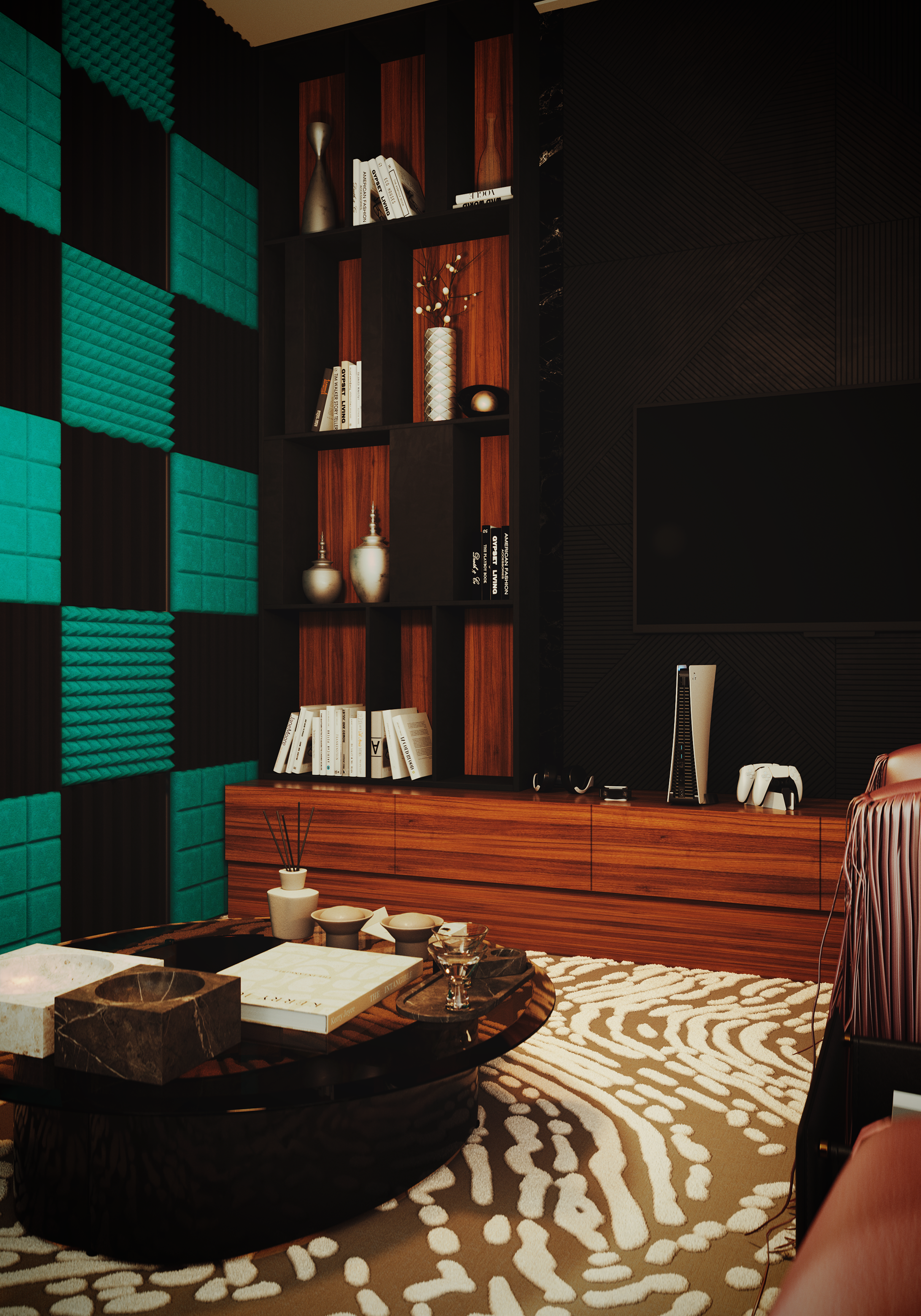
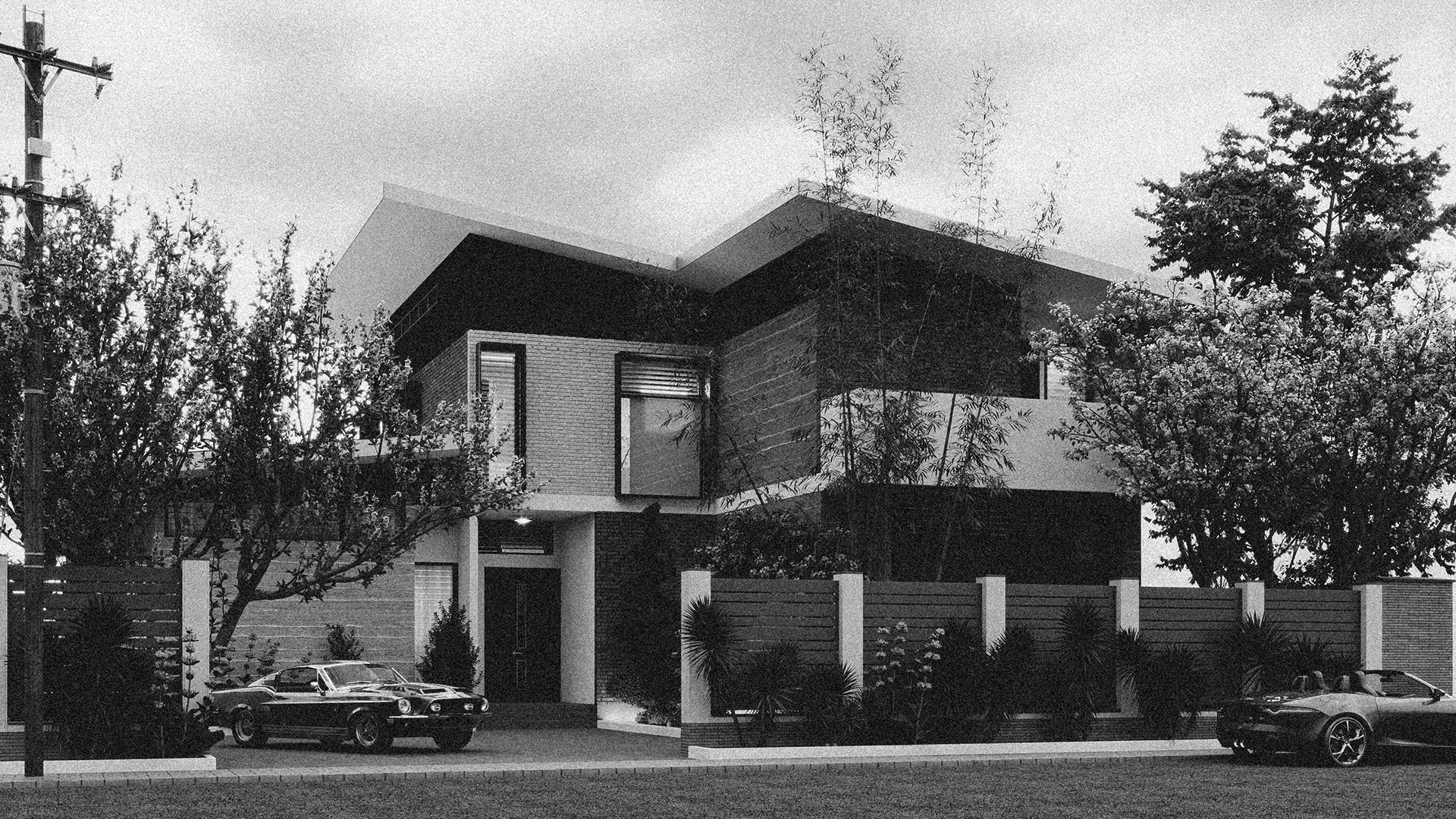
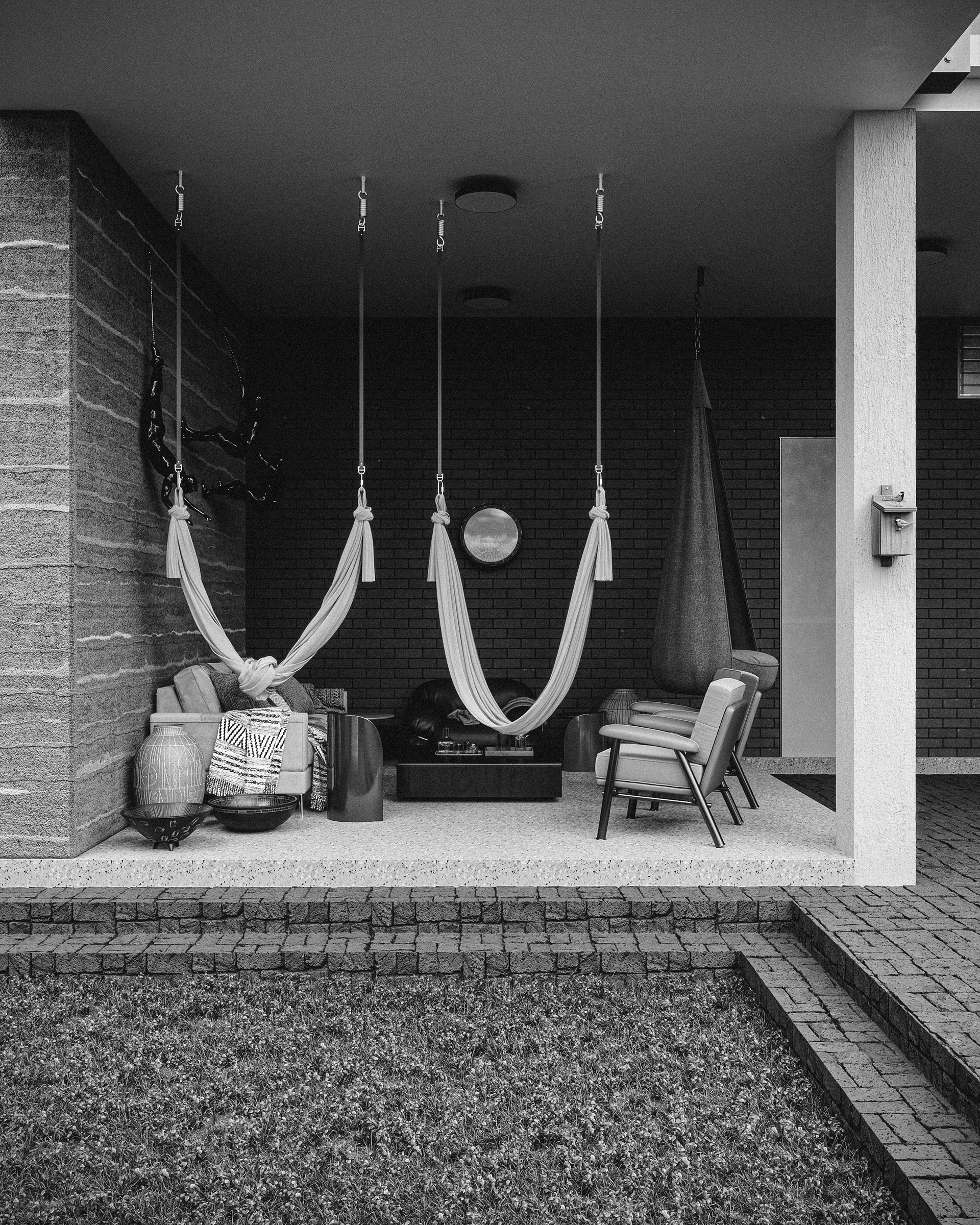
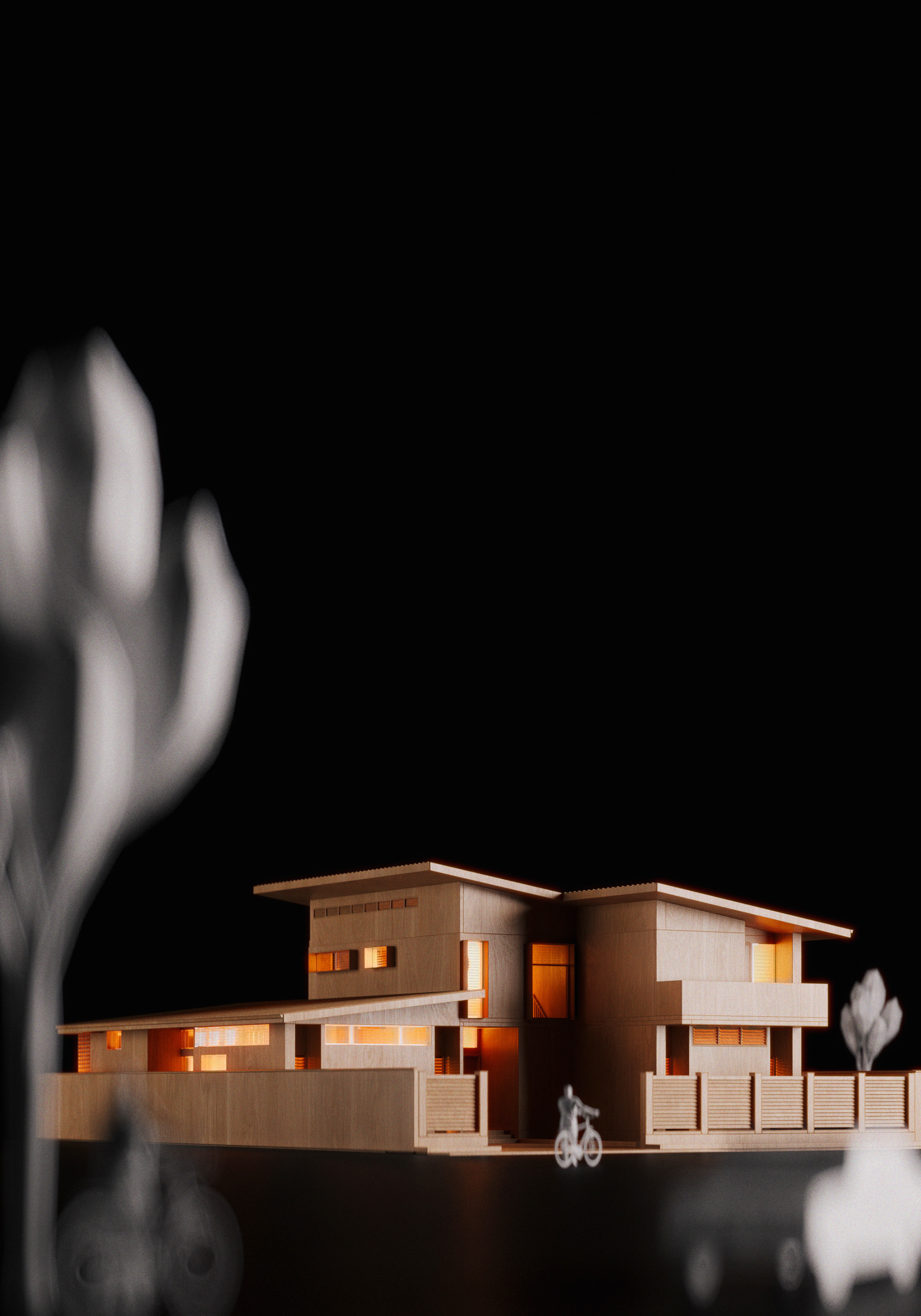
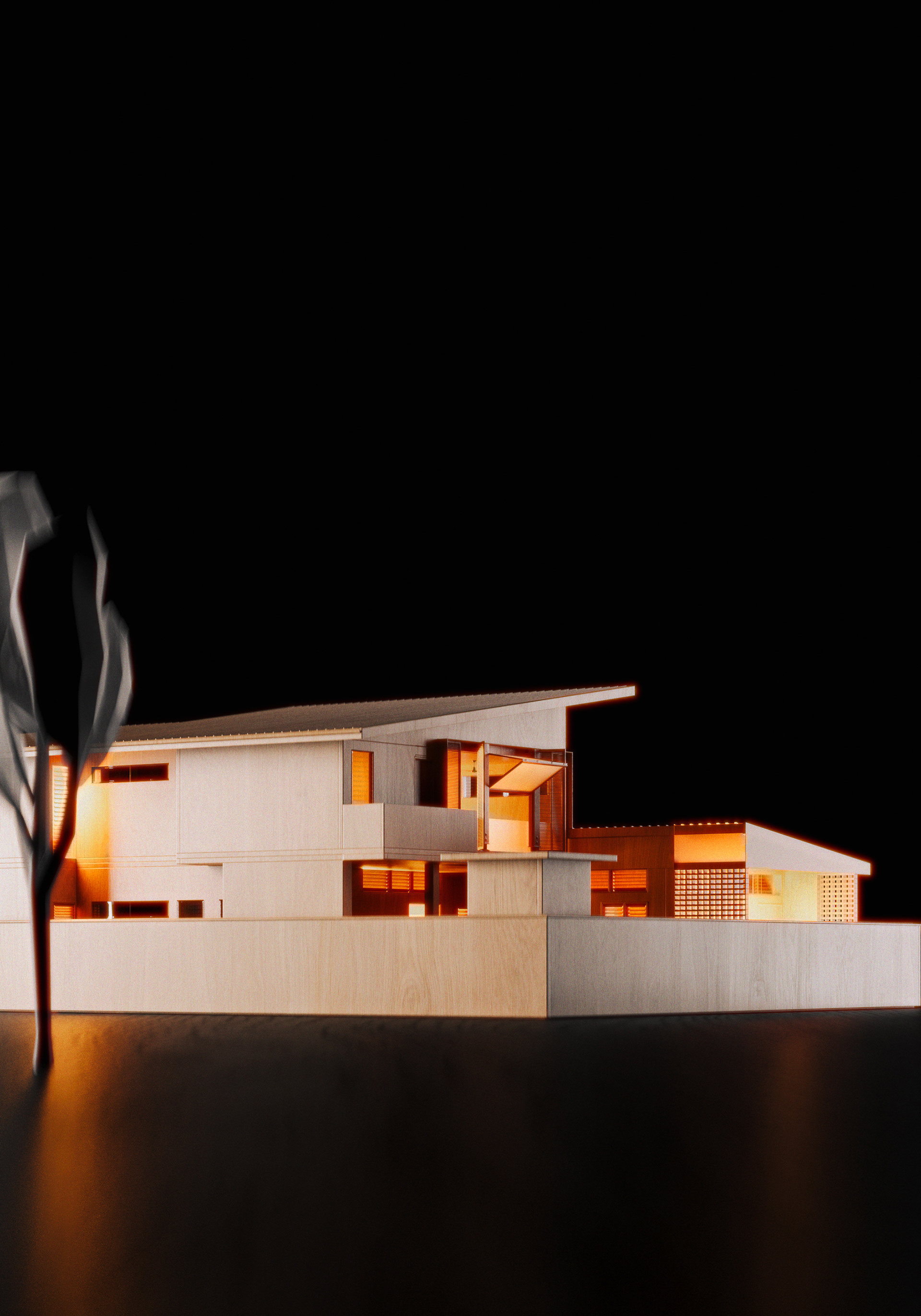
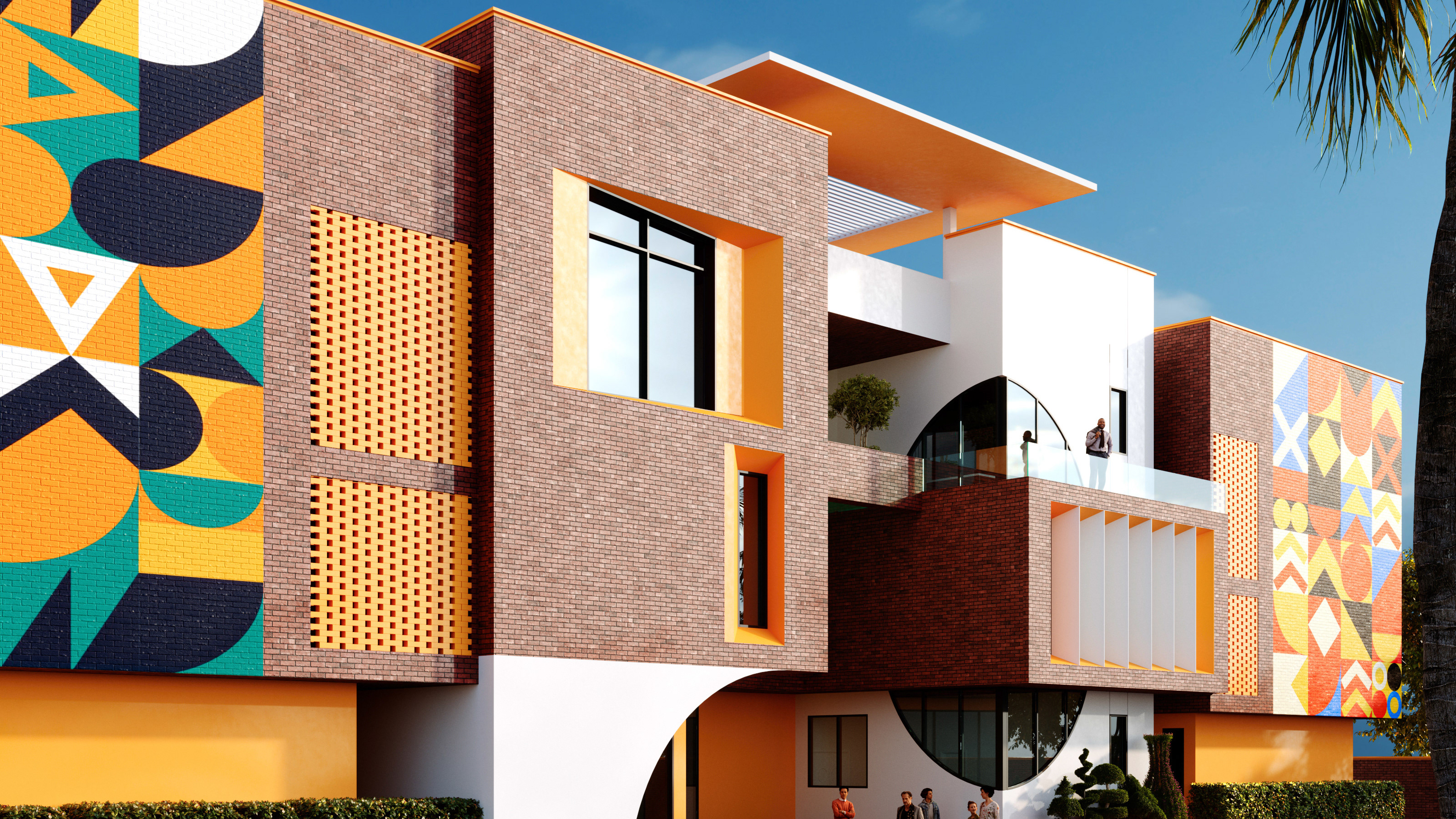
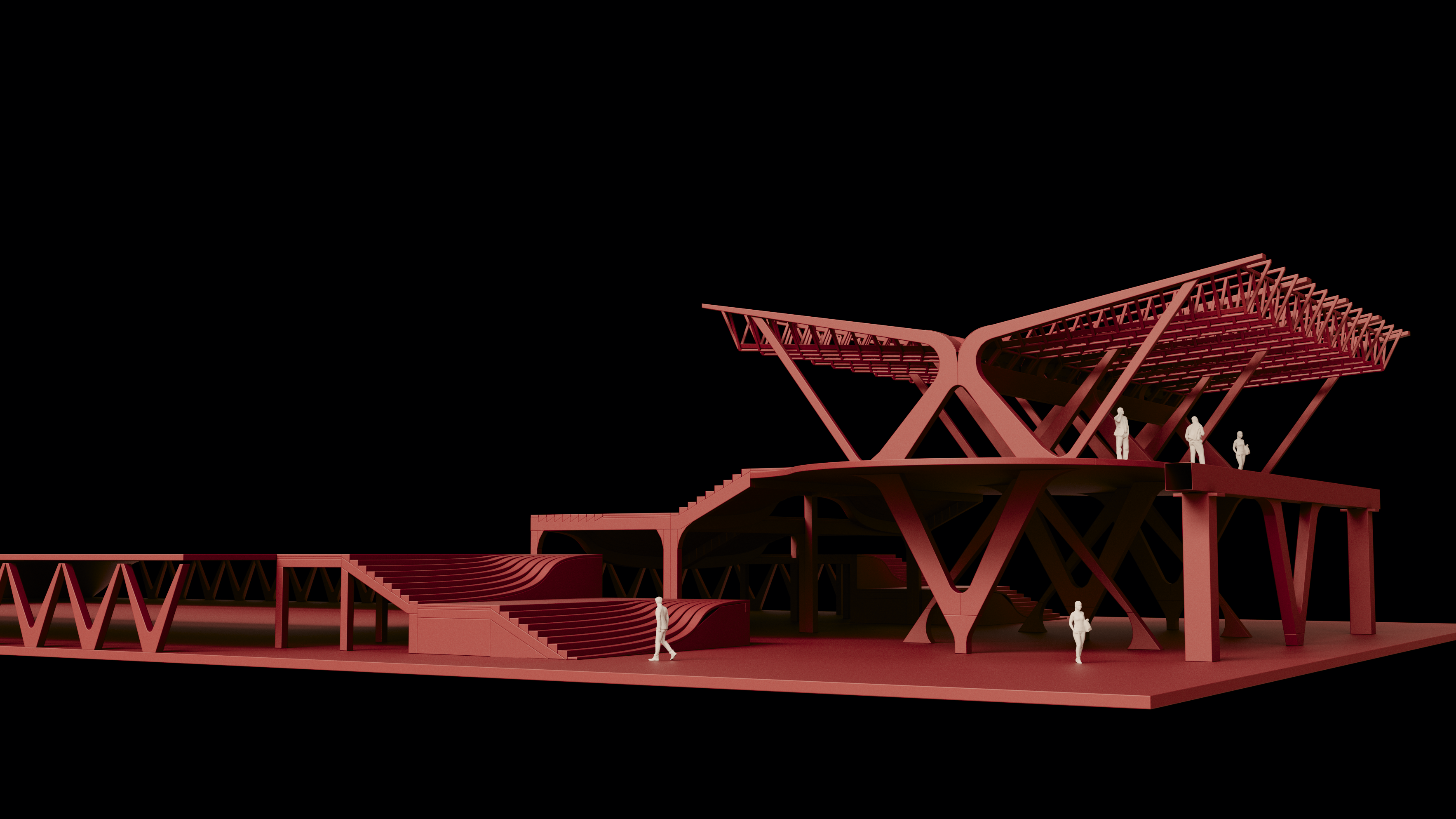
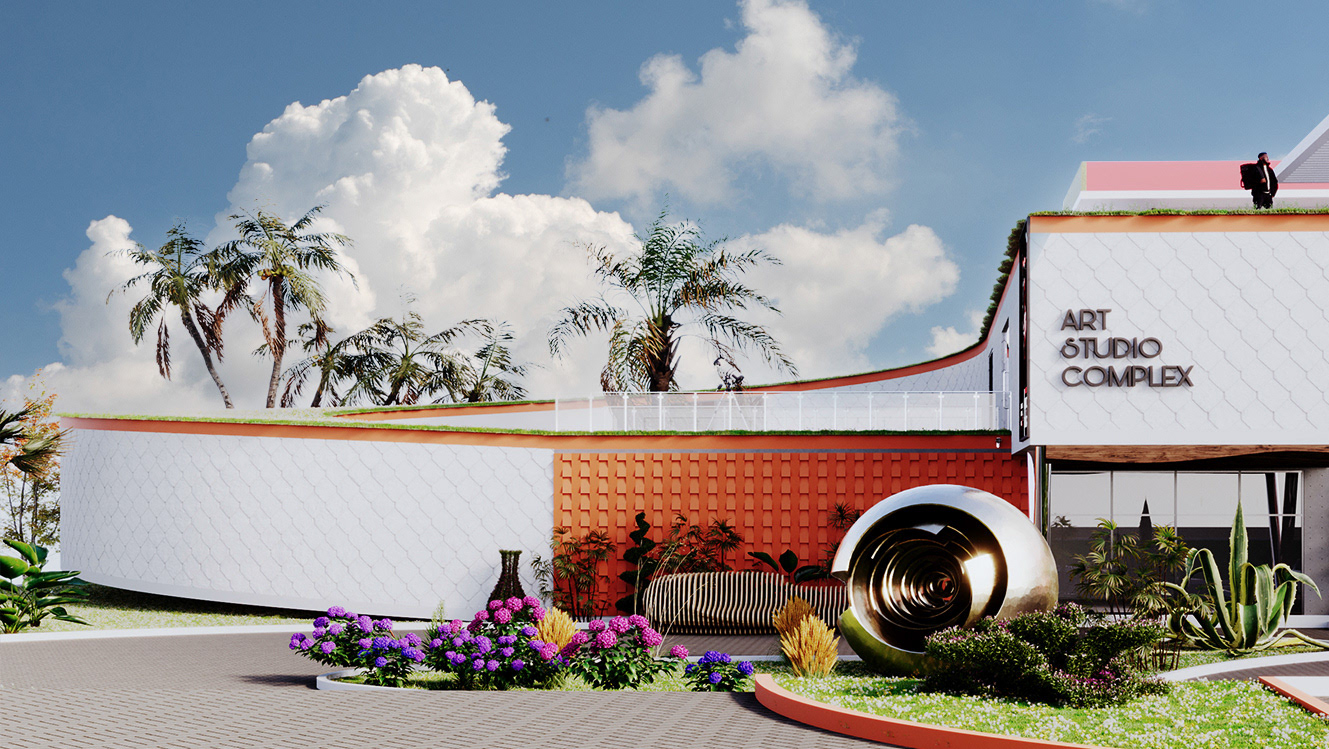
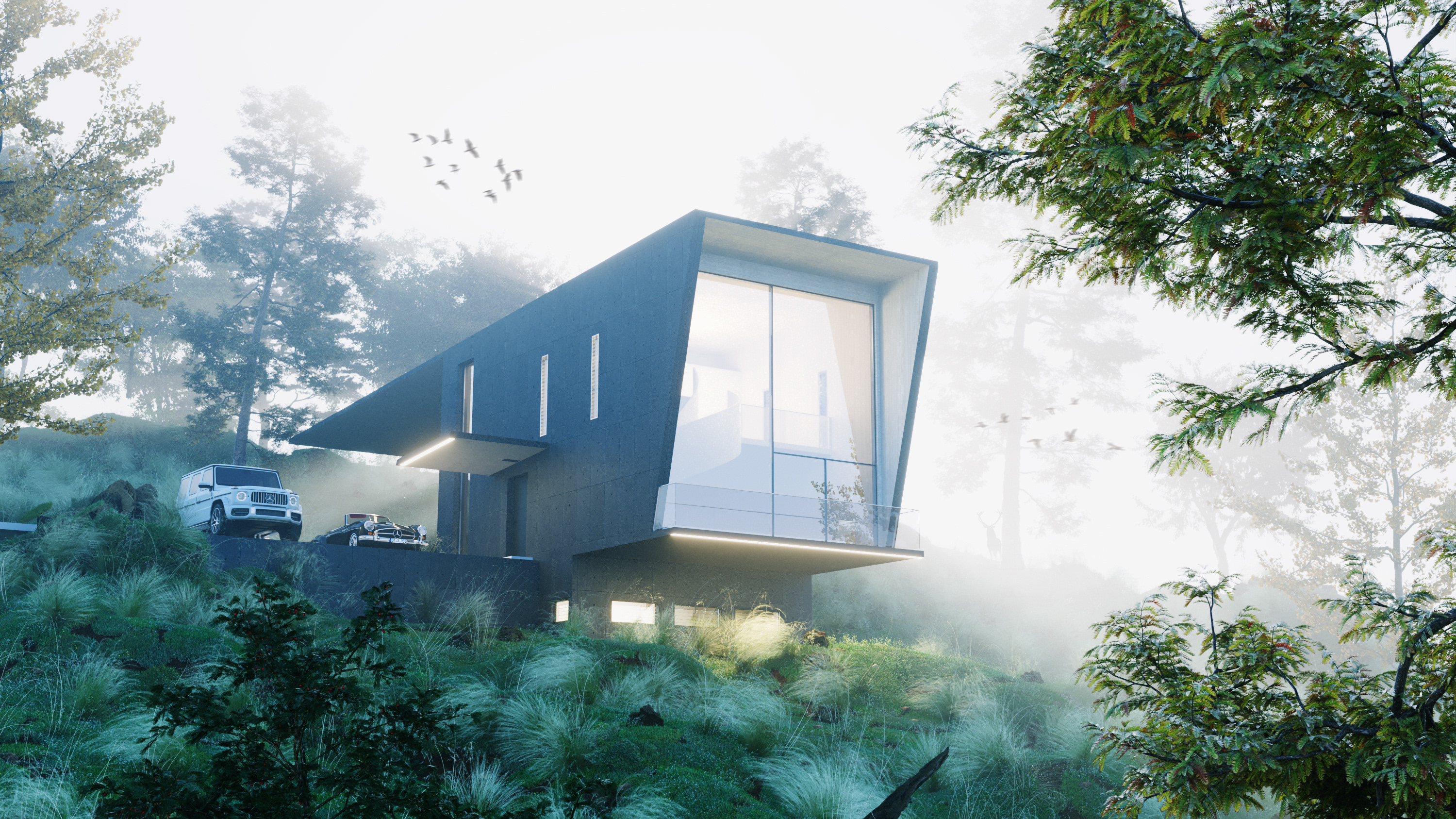
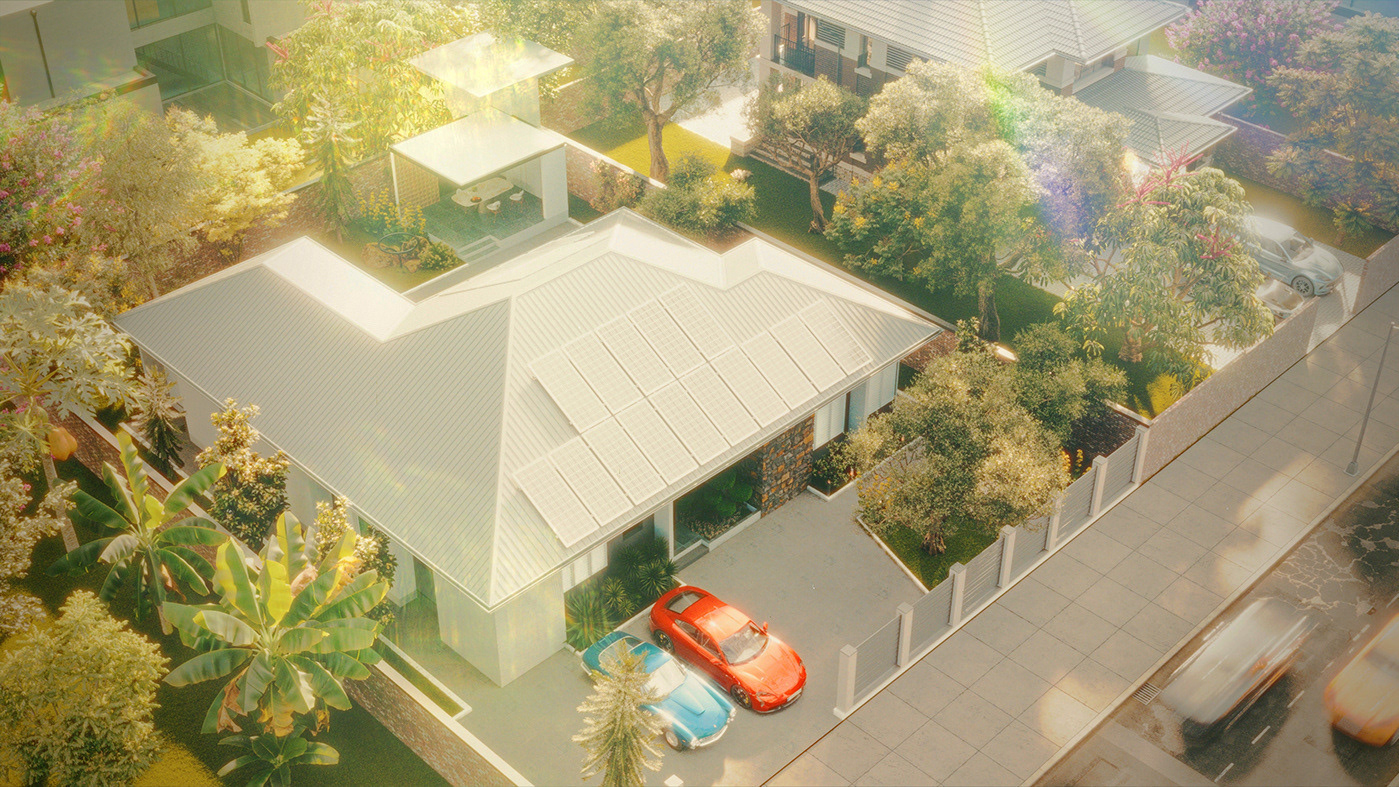
Designed as a national competition entry for Anyaa–Sowutuom in Accra, Vestige imagines an affordable home for a family of five that treats sustainability not as aesthetic branding, but as lived comfort—cool air, soft light, water security, and the dignity of spaces that age well. The project’s ethical center is simple: if we claim to be custodians of the planet, our houses must stop behaving like machines that overheat and overconsume.
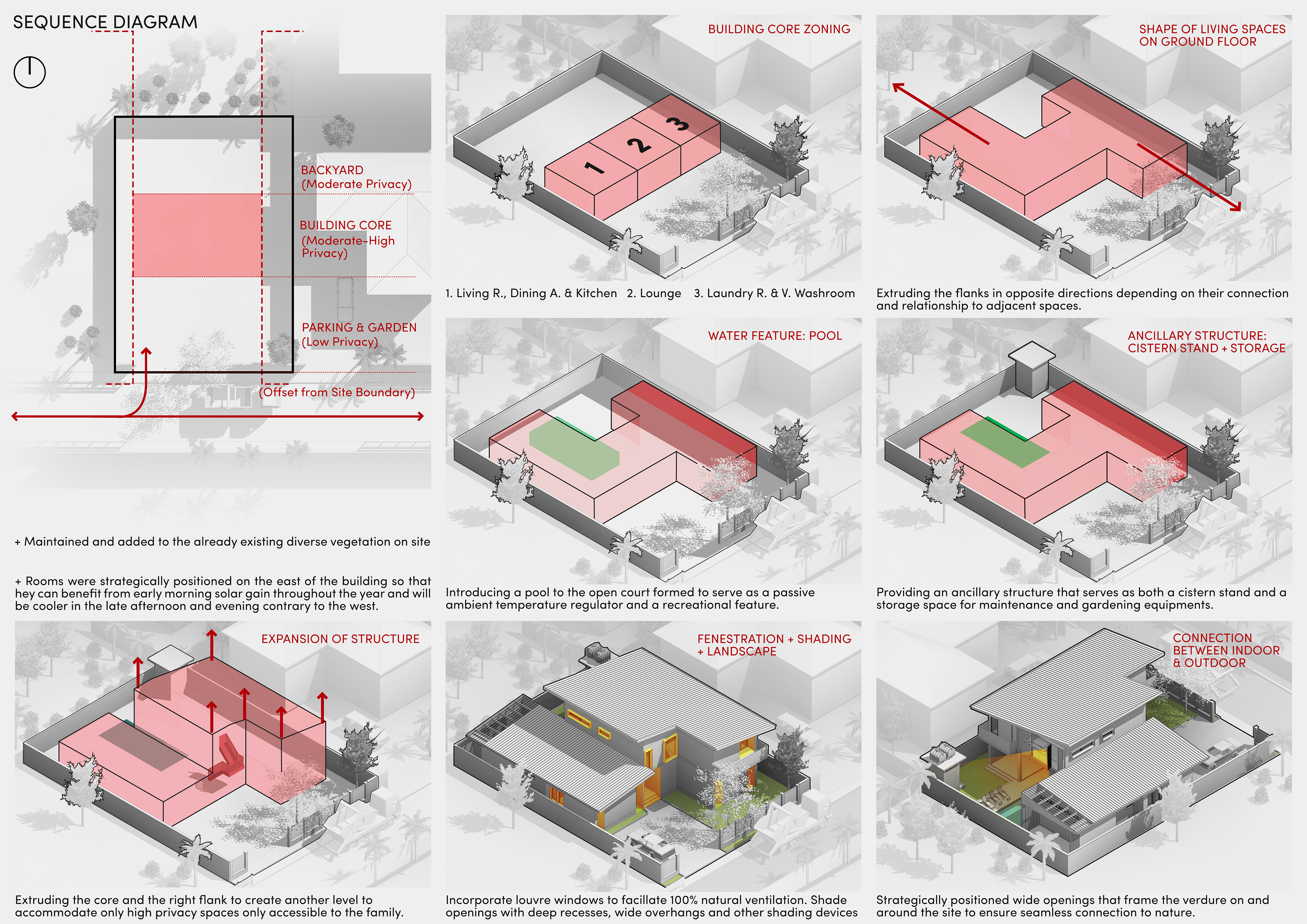
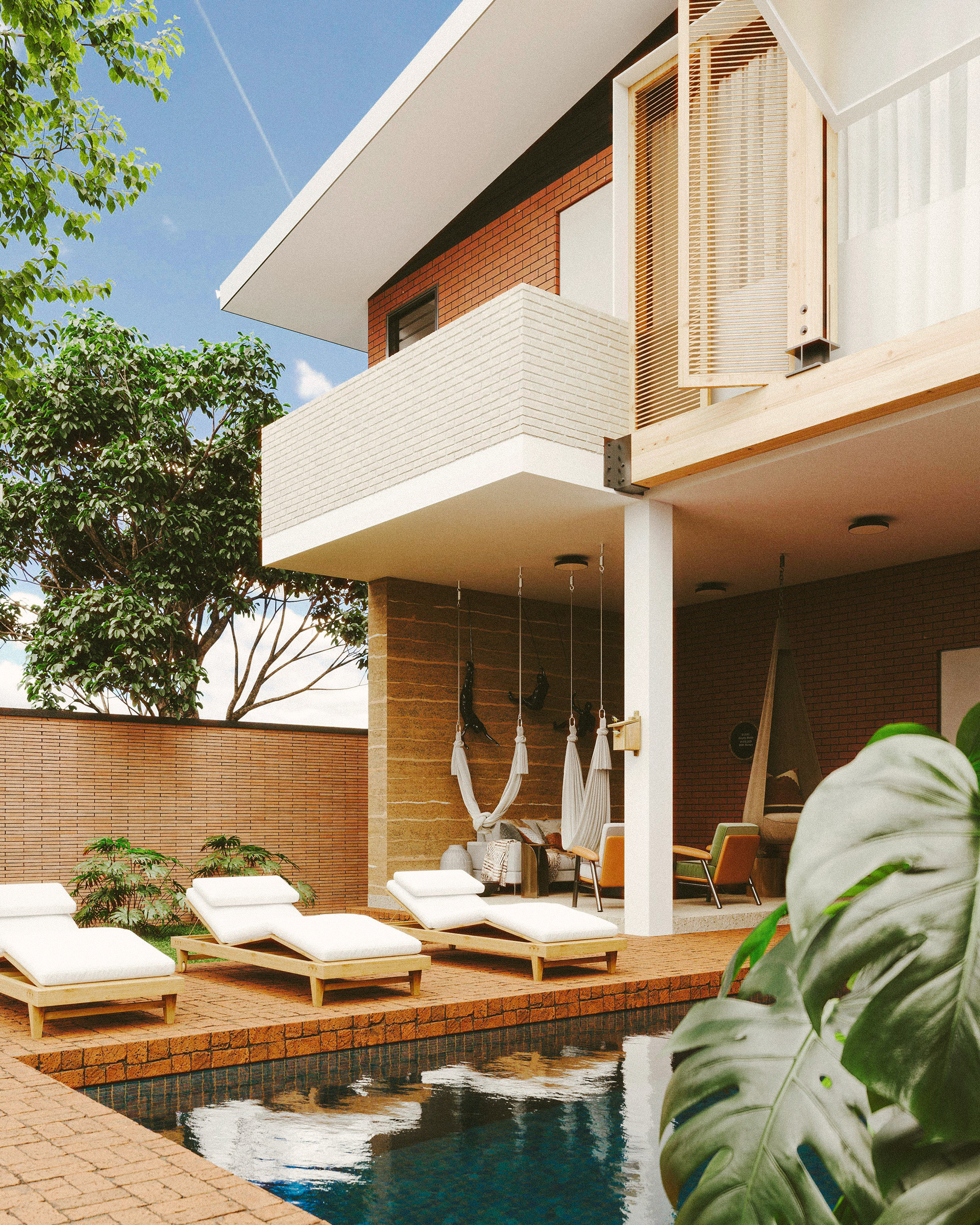
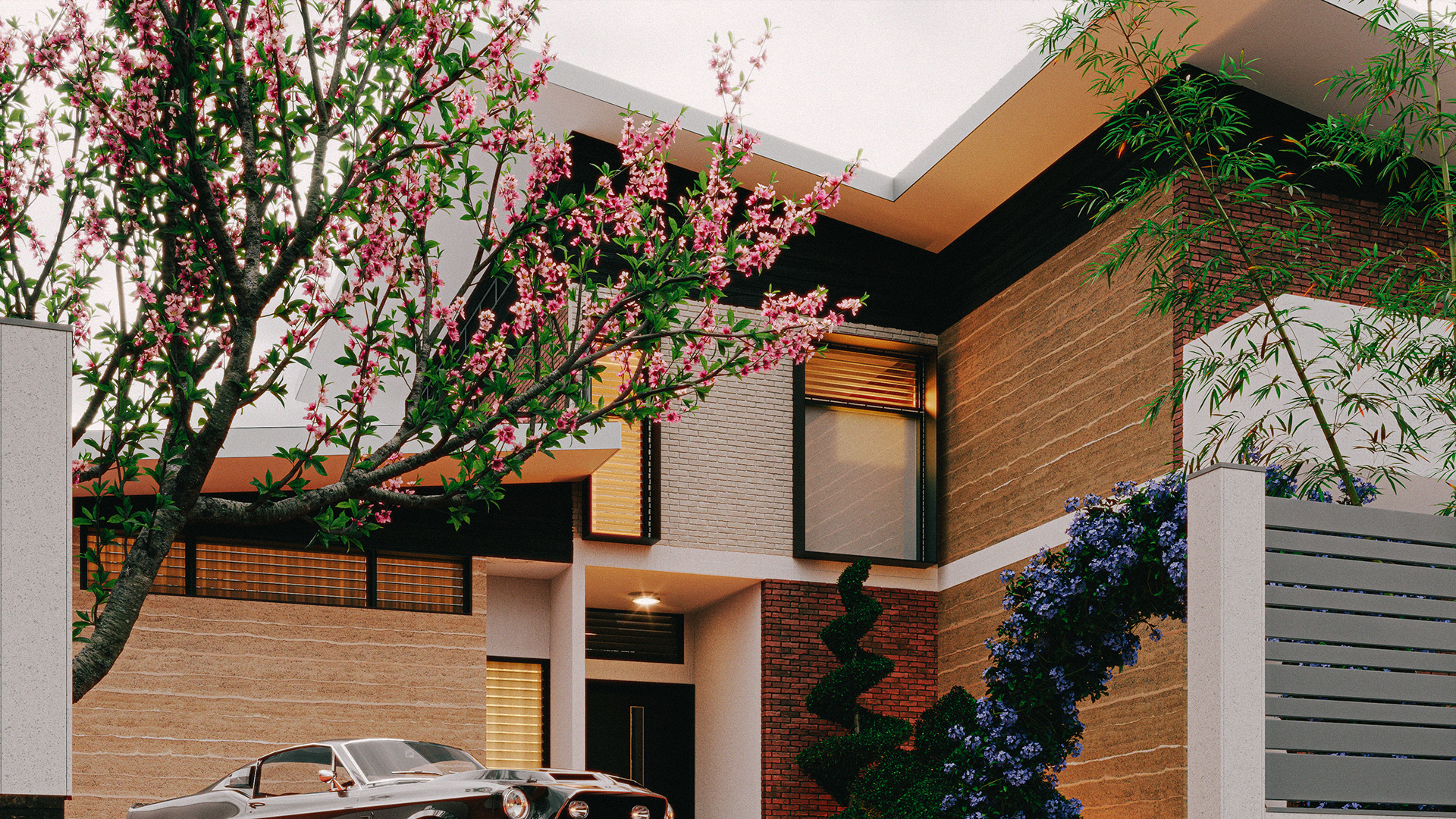
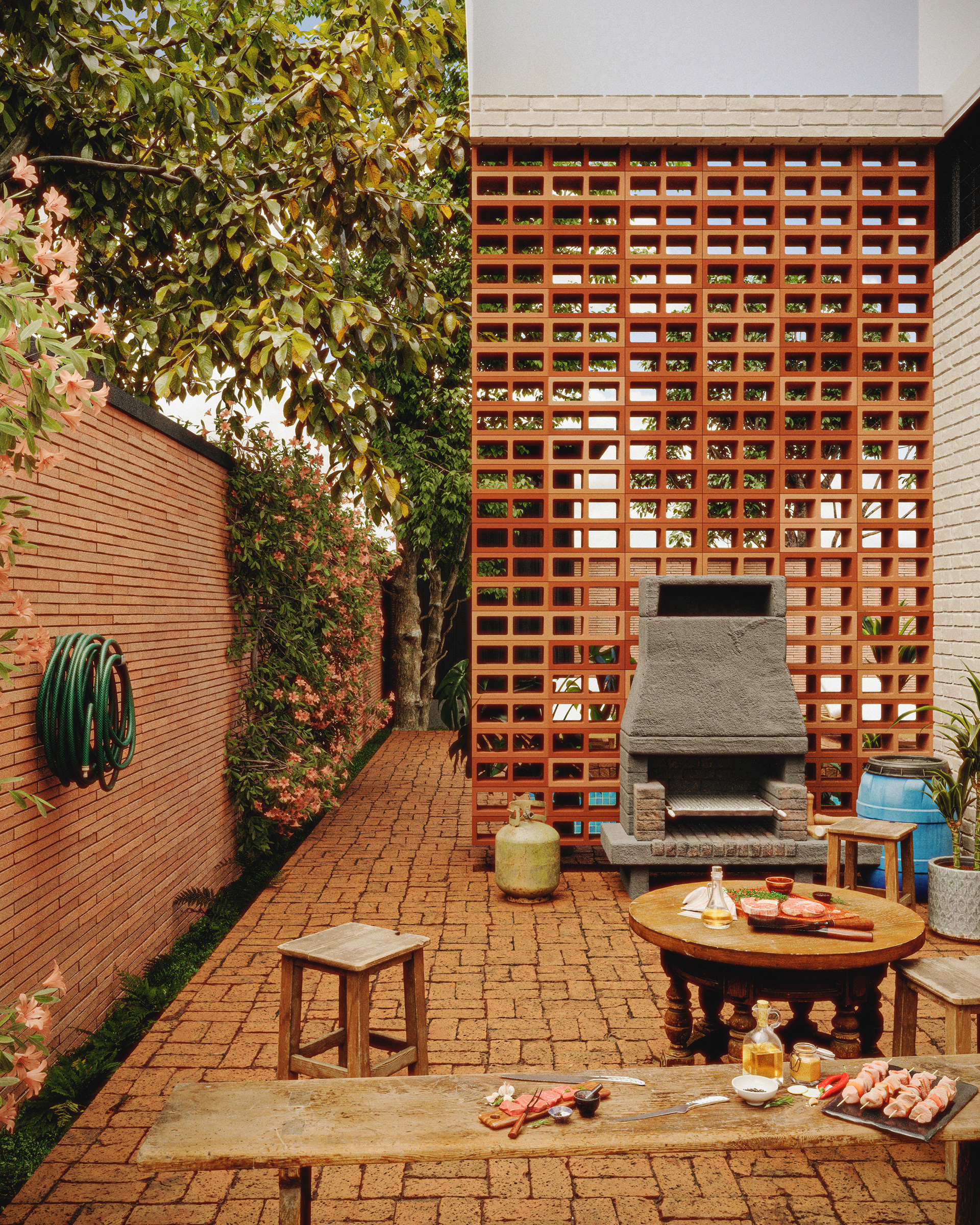
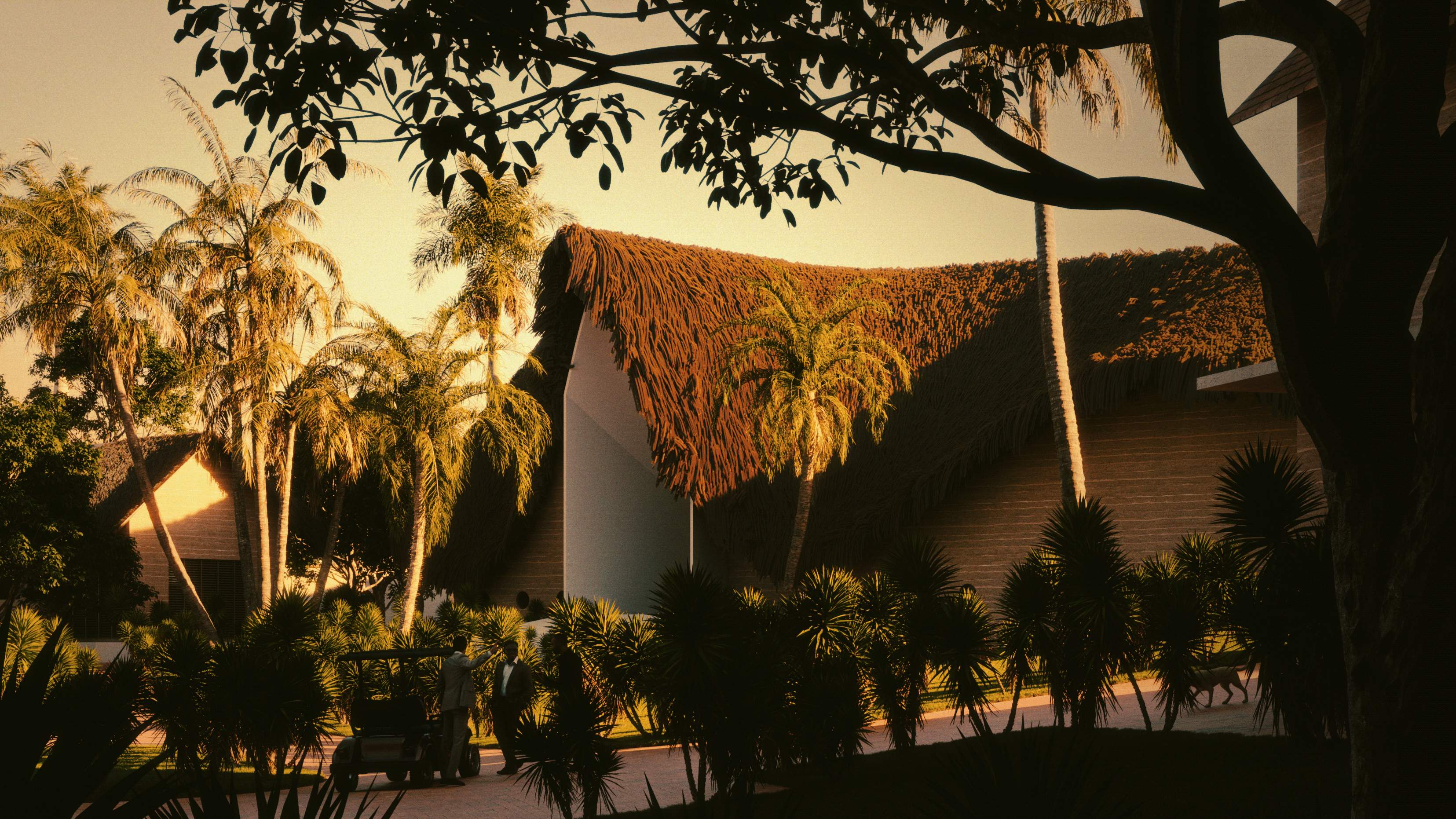
The concept follows a clear position: the building should be of the site, not merely placed on it—sited with care, shaped by sun and wind, and reinforced by landscape as infrastructure. Existing vegetation is preserved and strengthened; openings and thresholds are composed to keep nature present as a daily experience rather than a decorative afterthought.
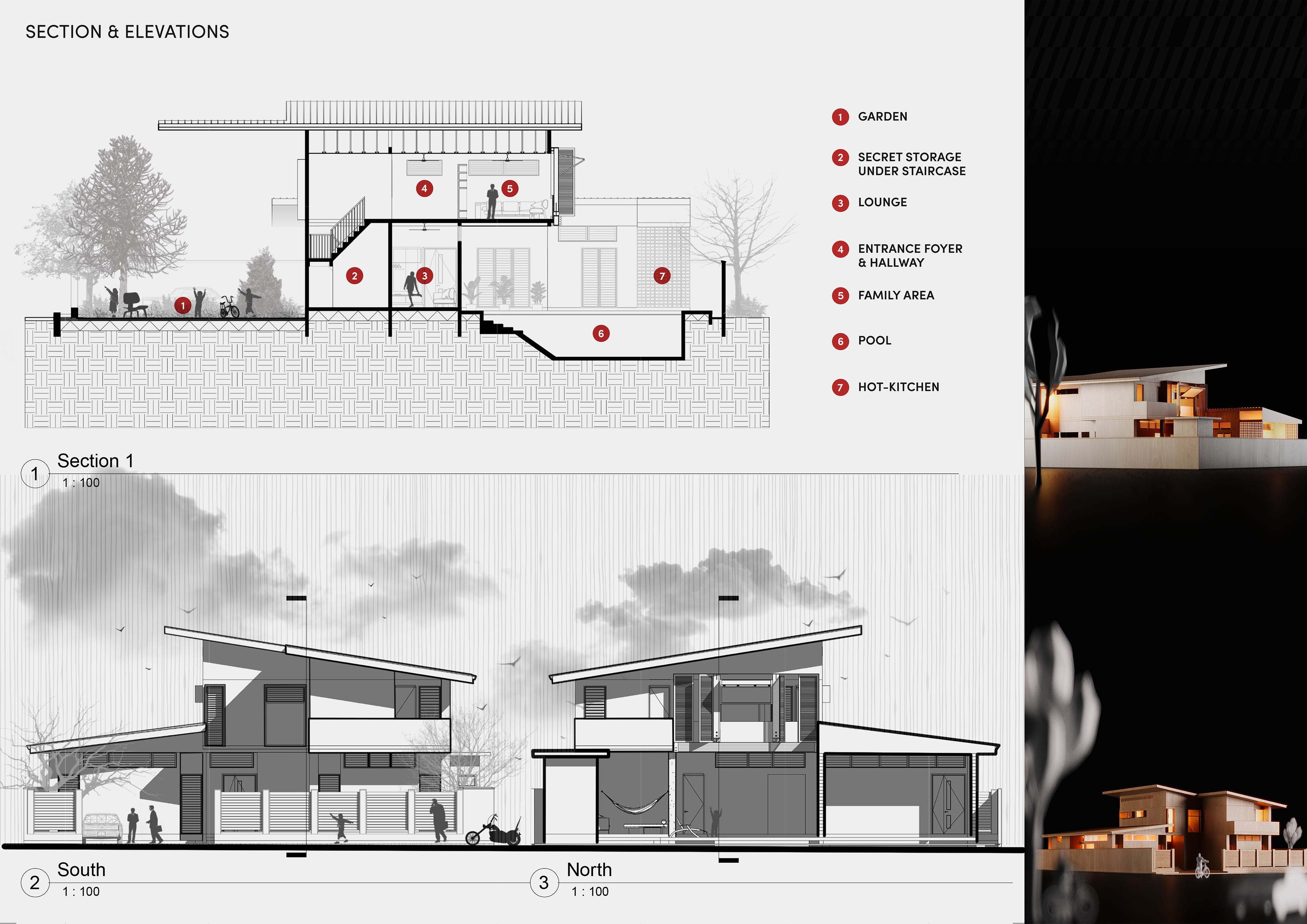
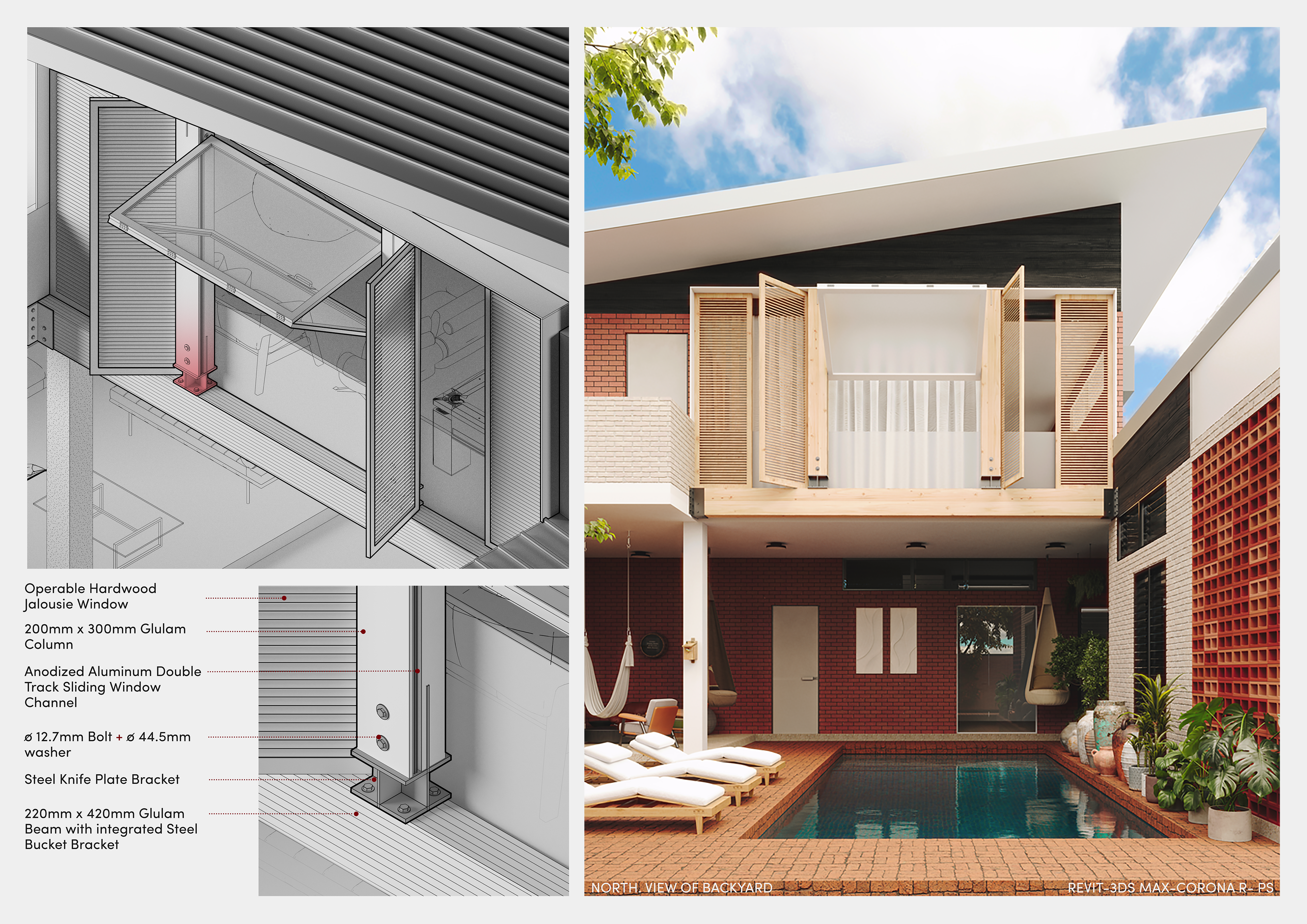
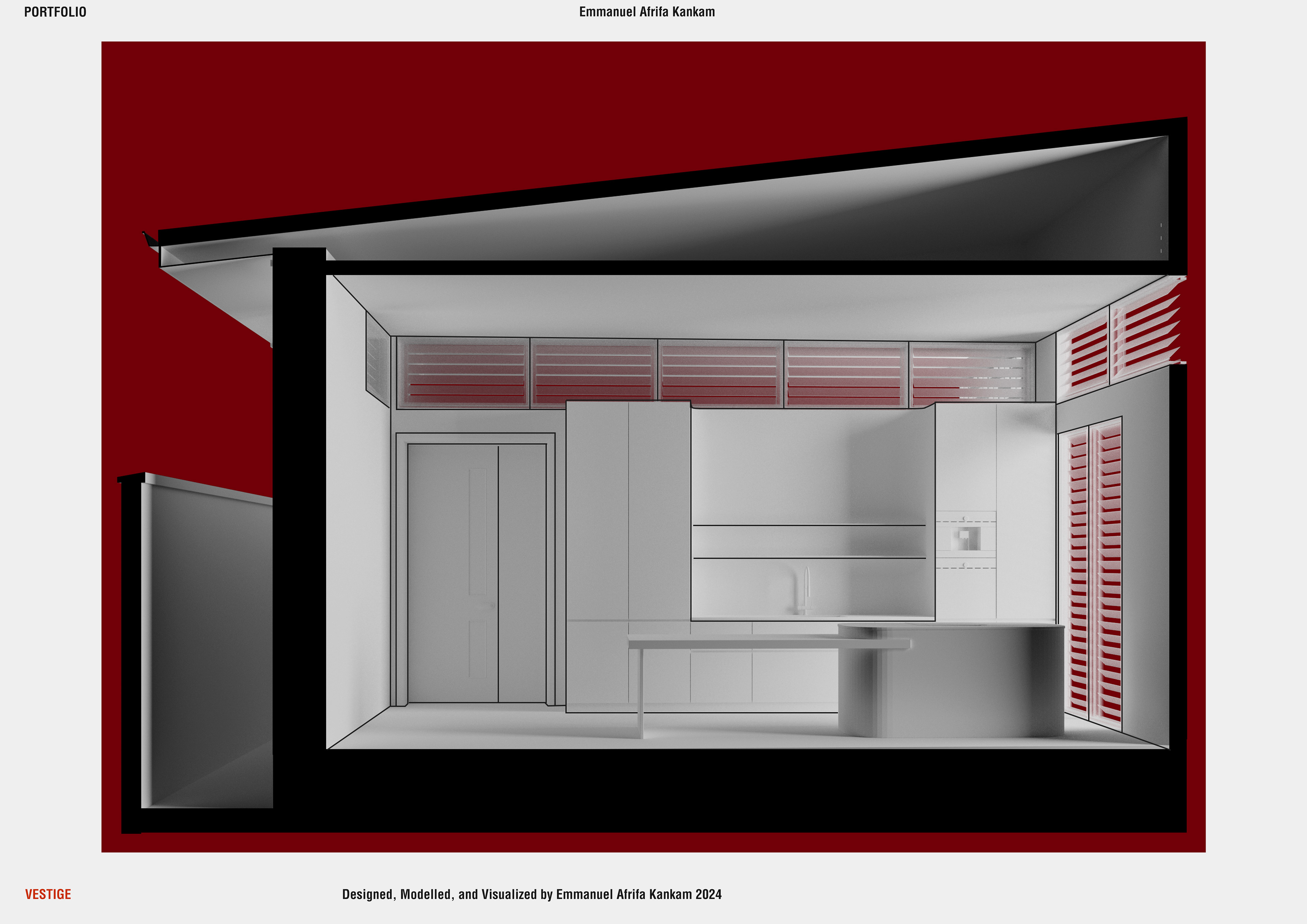
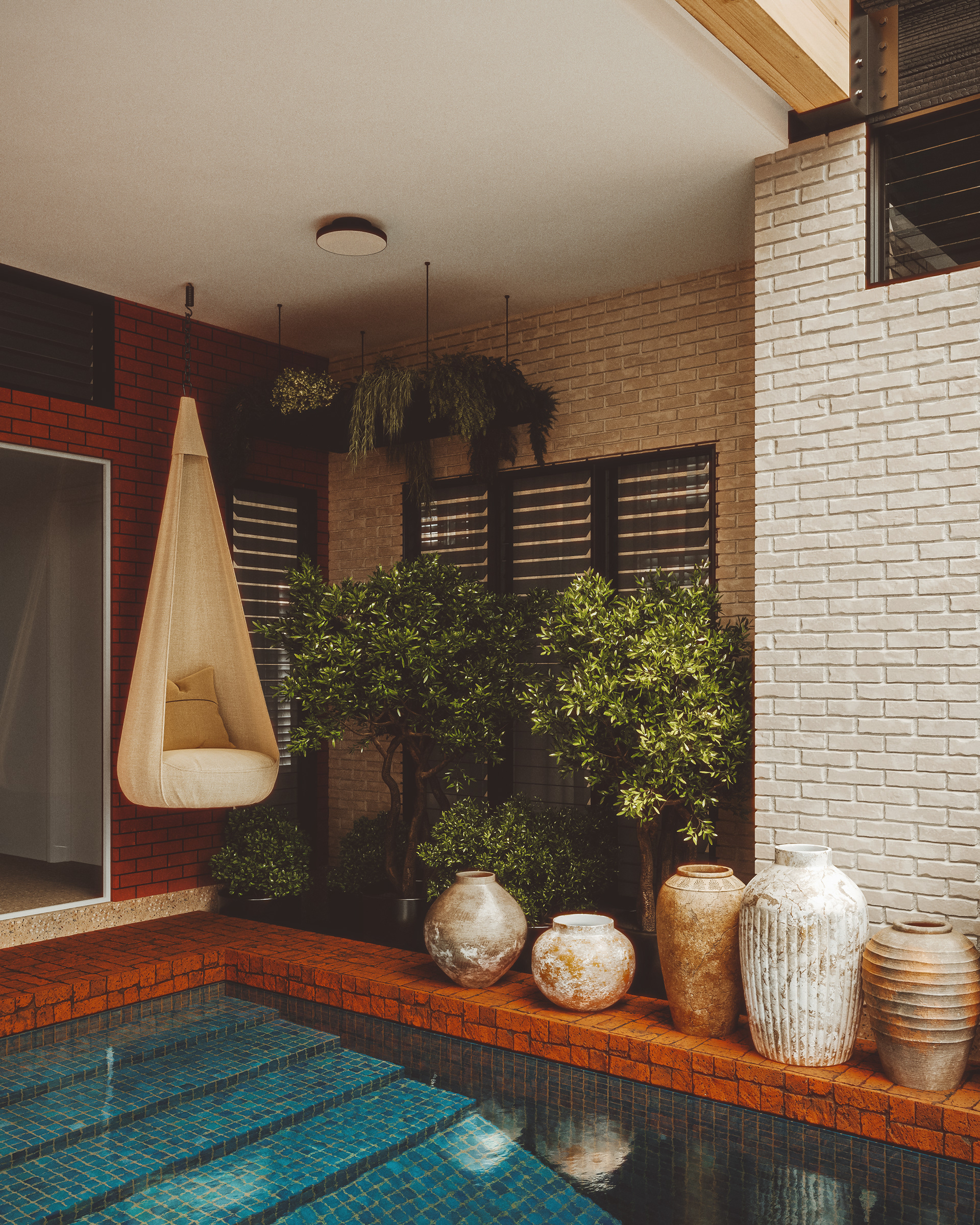
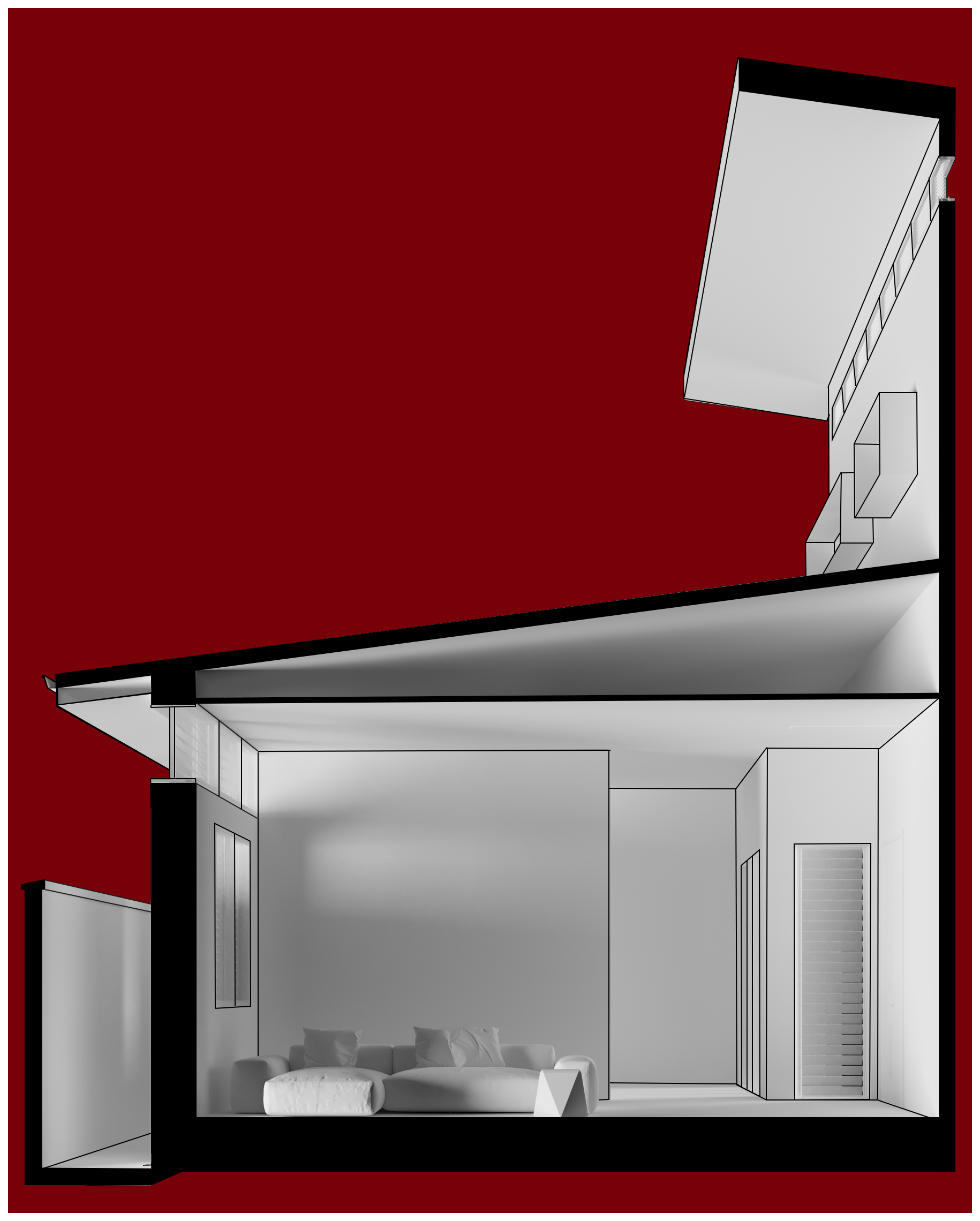
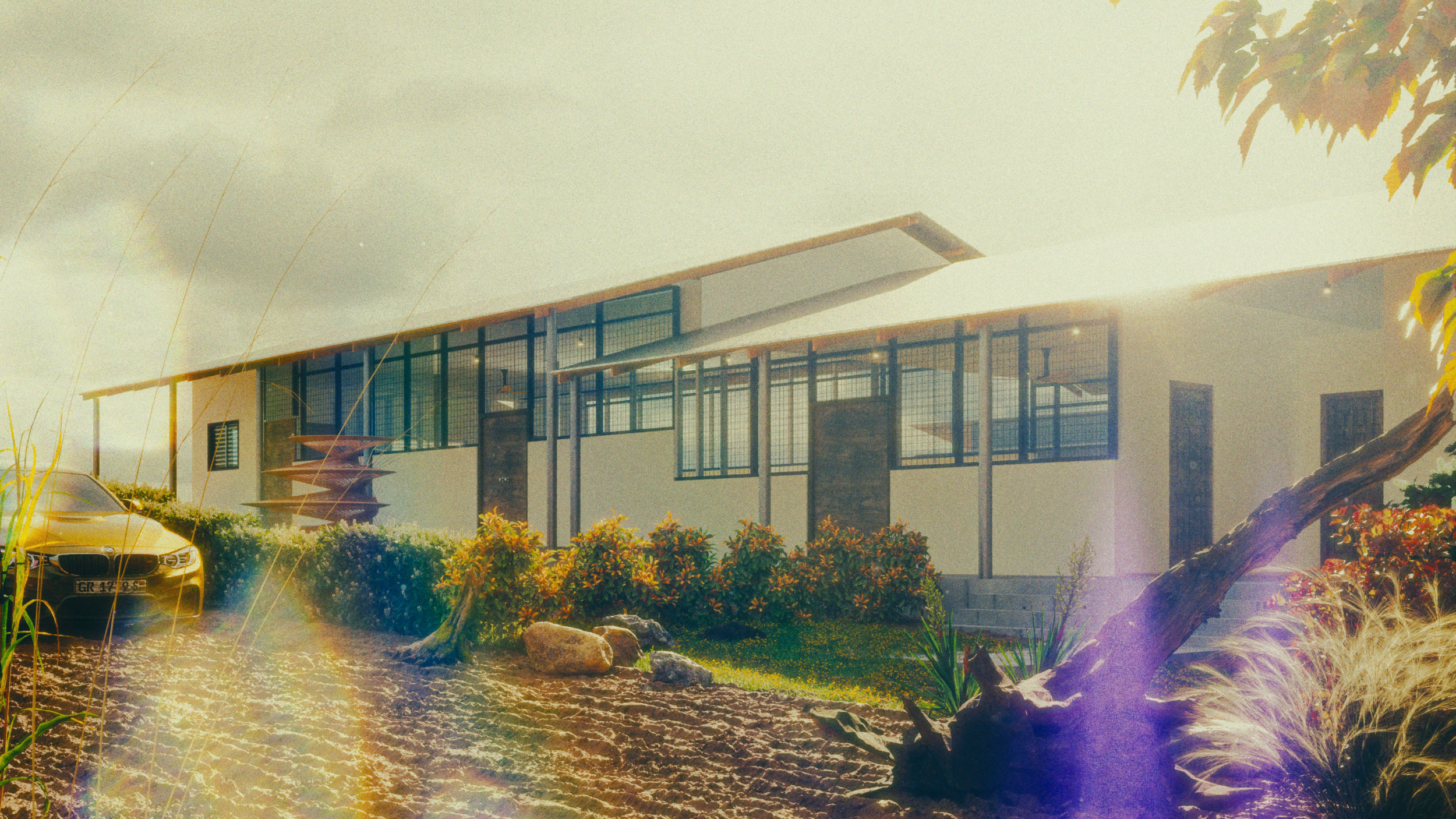
Passive design drives form and detail: cross-ventilation and stack effect reduce cooling demand; a pool contributes evaporative cooling; deep recesses, egg-crate shading, and wide overhangs prevent excessive solar gain; and thermal-mass walls buffer indoor temperatures. The home becomes calm under pressure—heat, humidity, unreliable utilities—because its first response is architectural, not mechanical.
Performance is also quantified. The photovoltaic strategy was sized to exceed typical household demand (with an estimated annual output of 131,982.62 kWh/year versus an estimated need of about 11,000 kWh/year), and rainwater harvesting was projected to provide 308,682.4 litres/year against annual needs of about 146,000 litres/year—turning the roof into a utility asset, not just a cover.
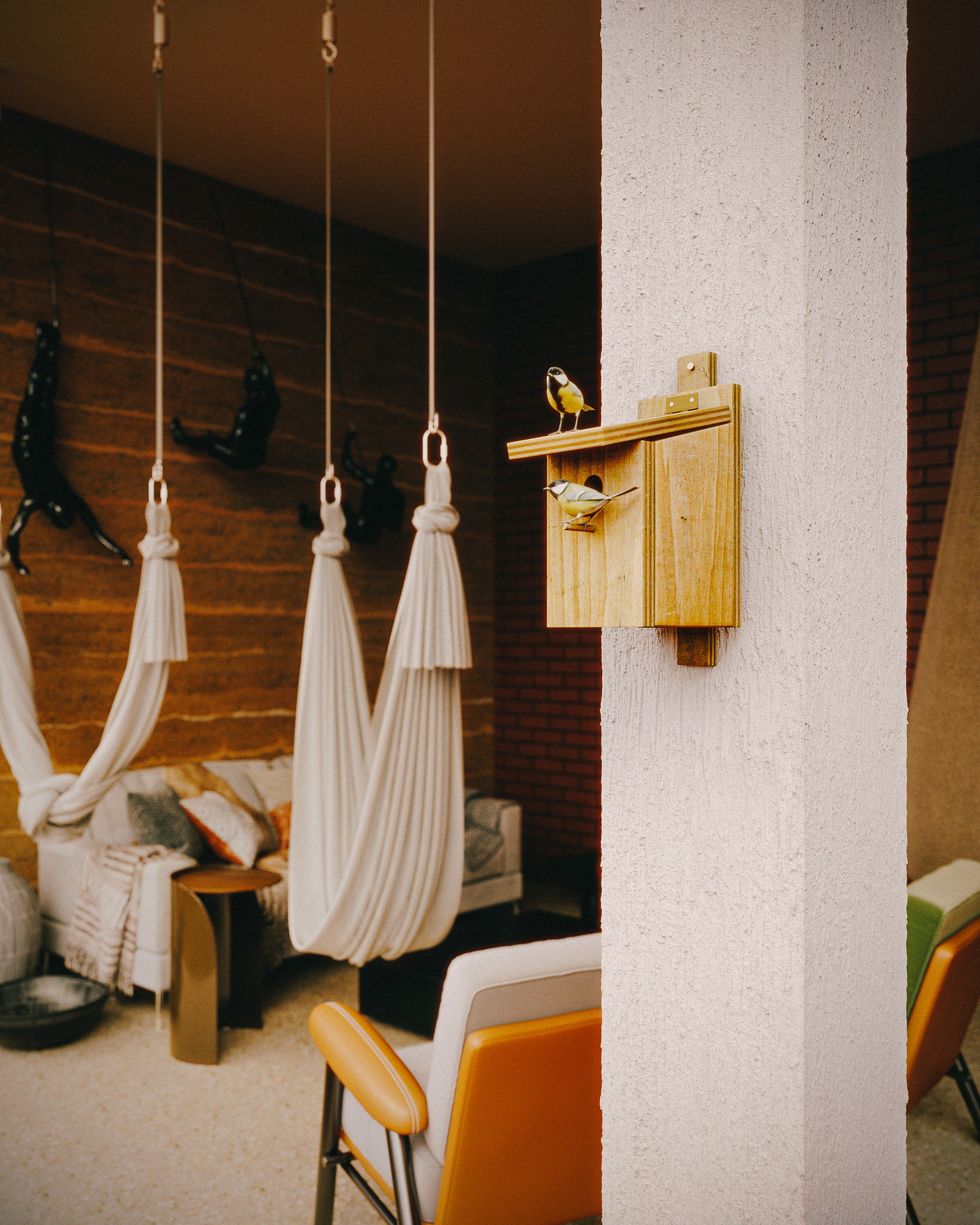
Material choices reinforce the same stance: earth, timber, and locally attuned systems are used to reduce embodied carbon while improving comfort and longevity—so the building’s “green” identity is not a finish, but a consequence of decisions that respect both people and place.
Key moves
Passive-first comfort: stack effect + cross-ventilation + shading + thermal mass
Water + energy autonomy logic (PV + rainwater harvesting)
Landscape as microclimate + wellbeing infrastructure