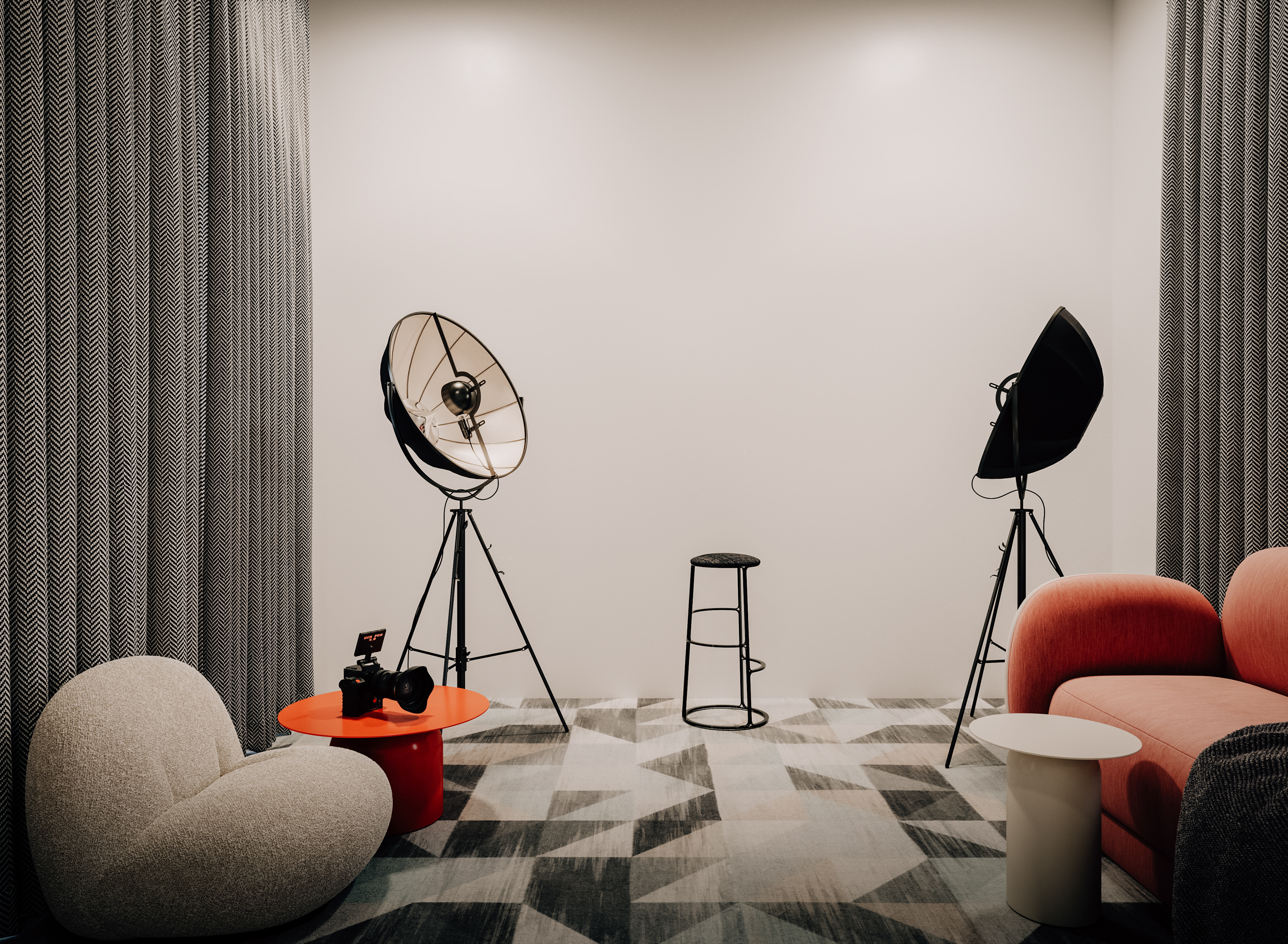
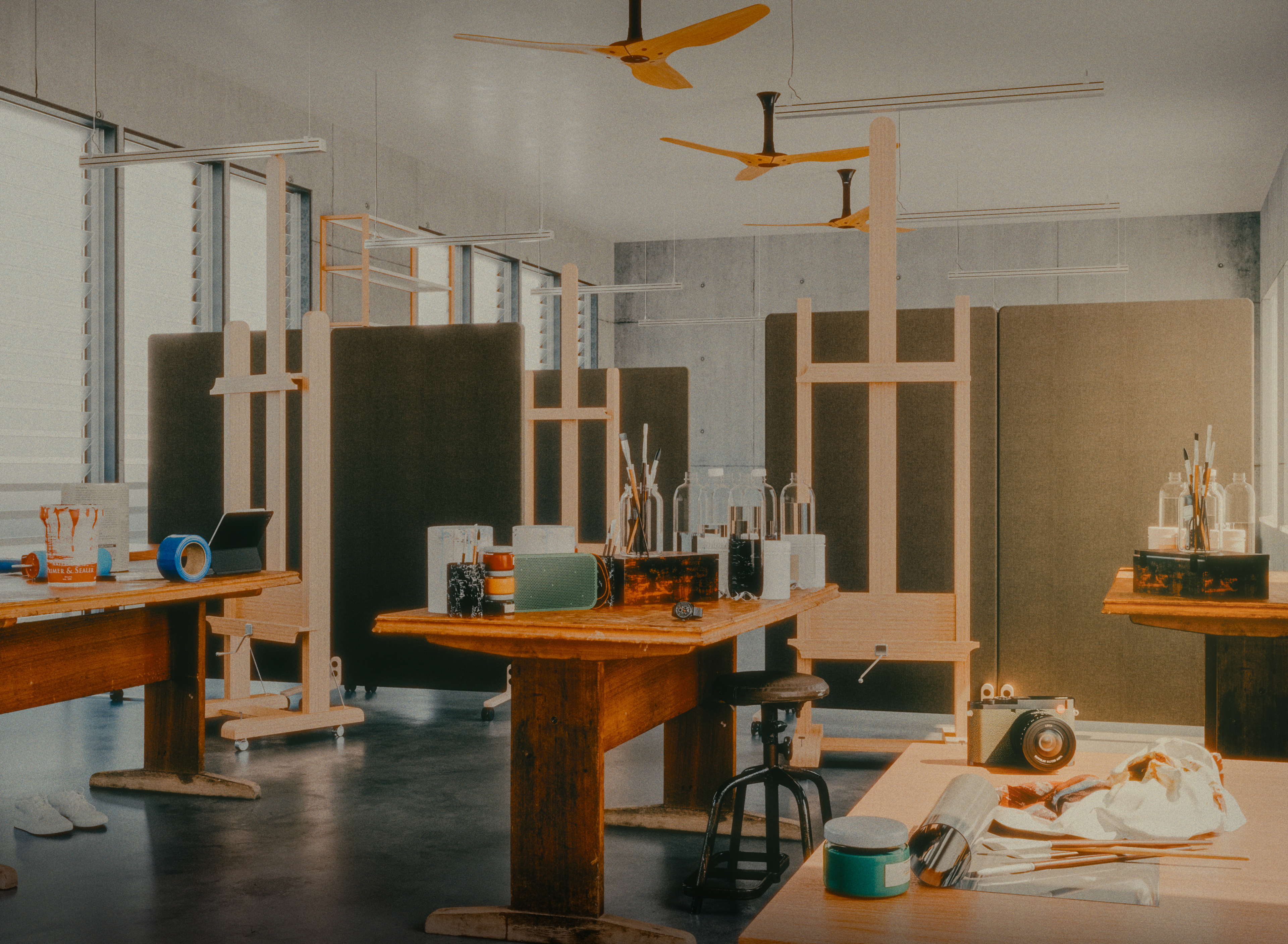
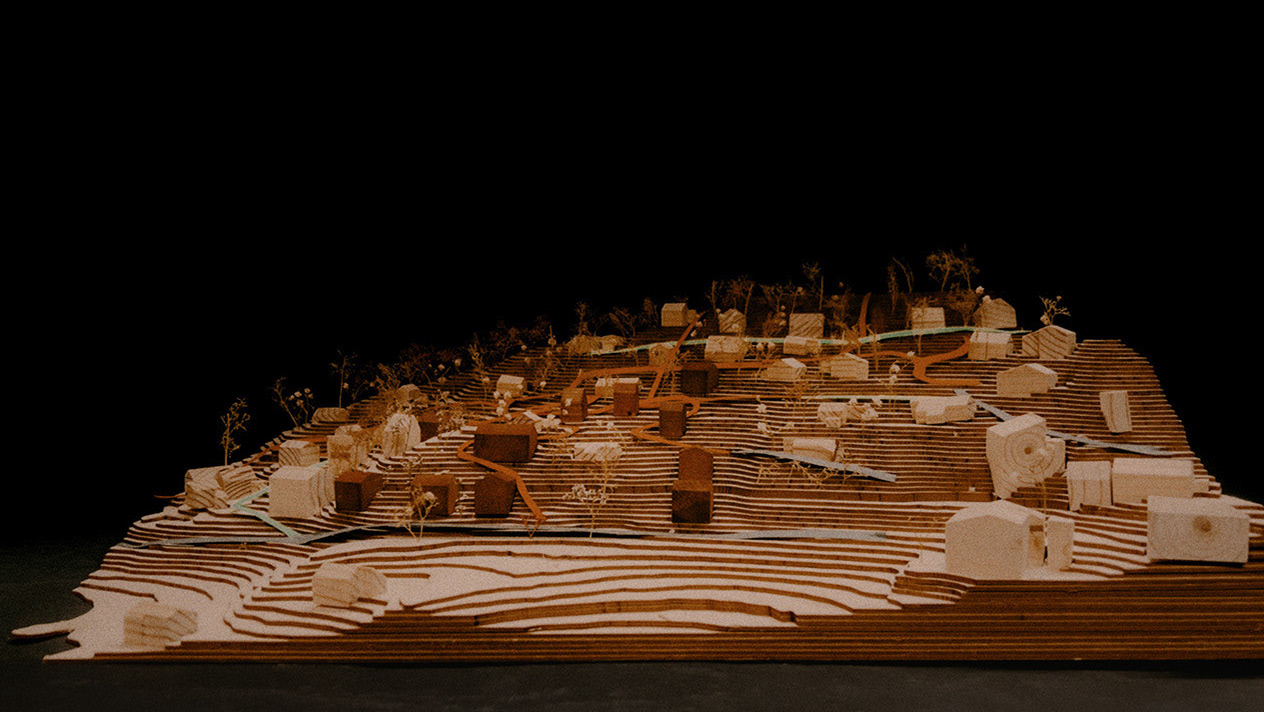
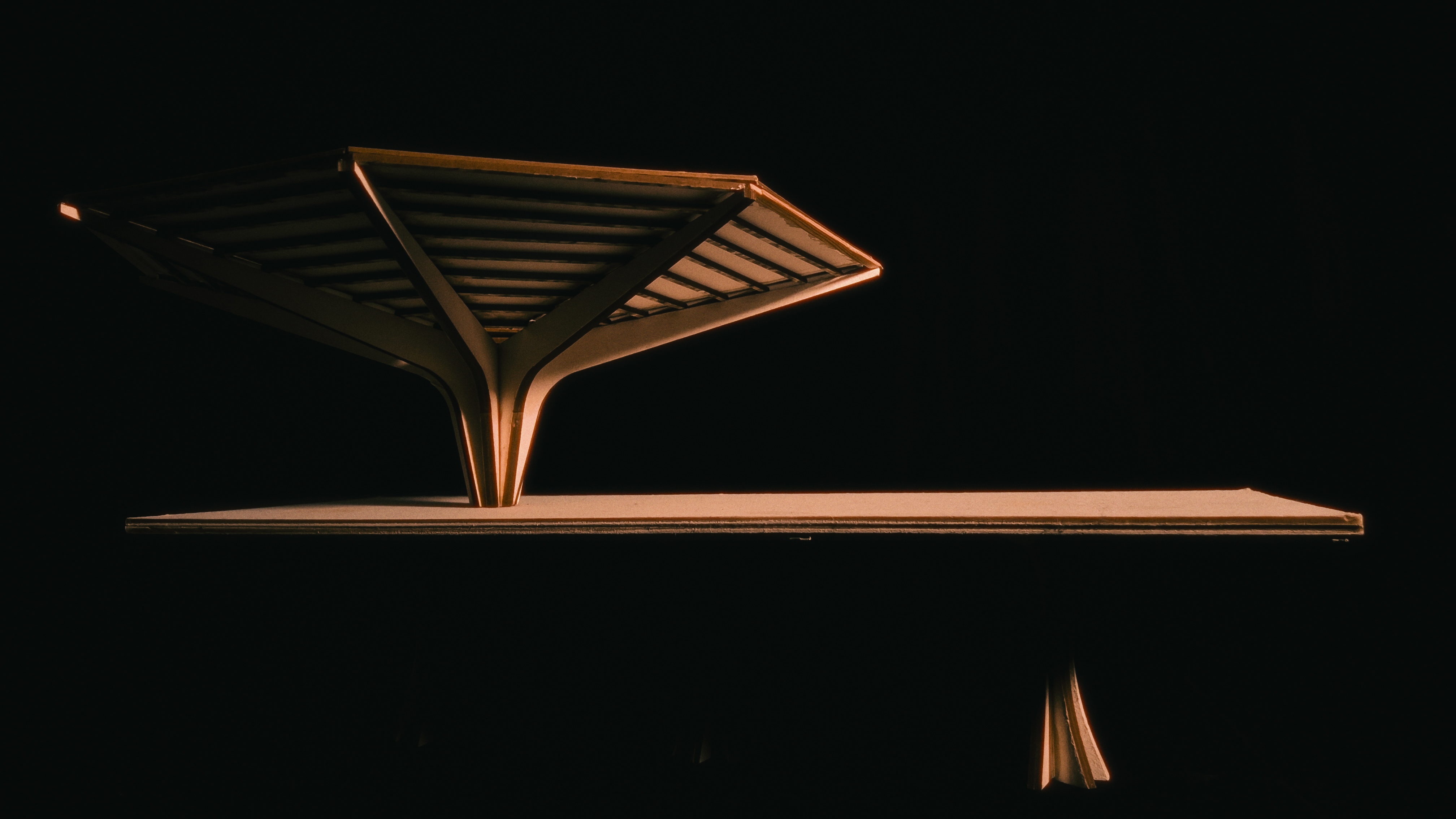
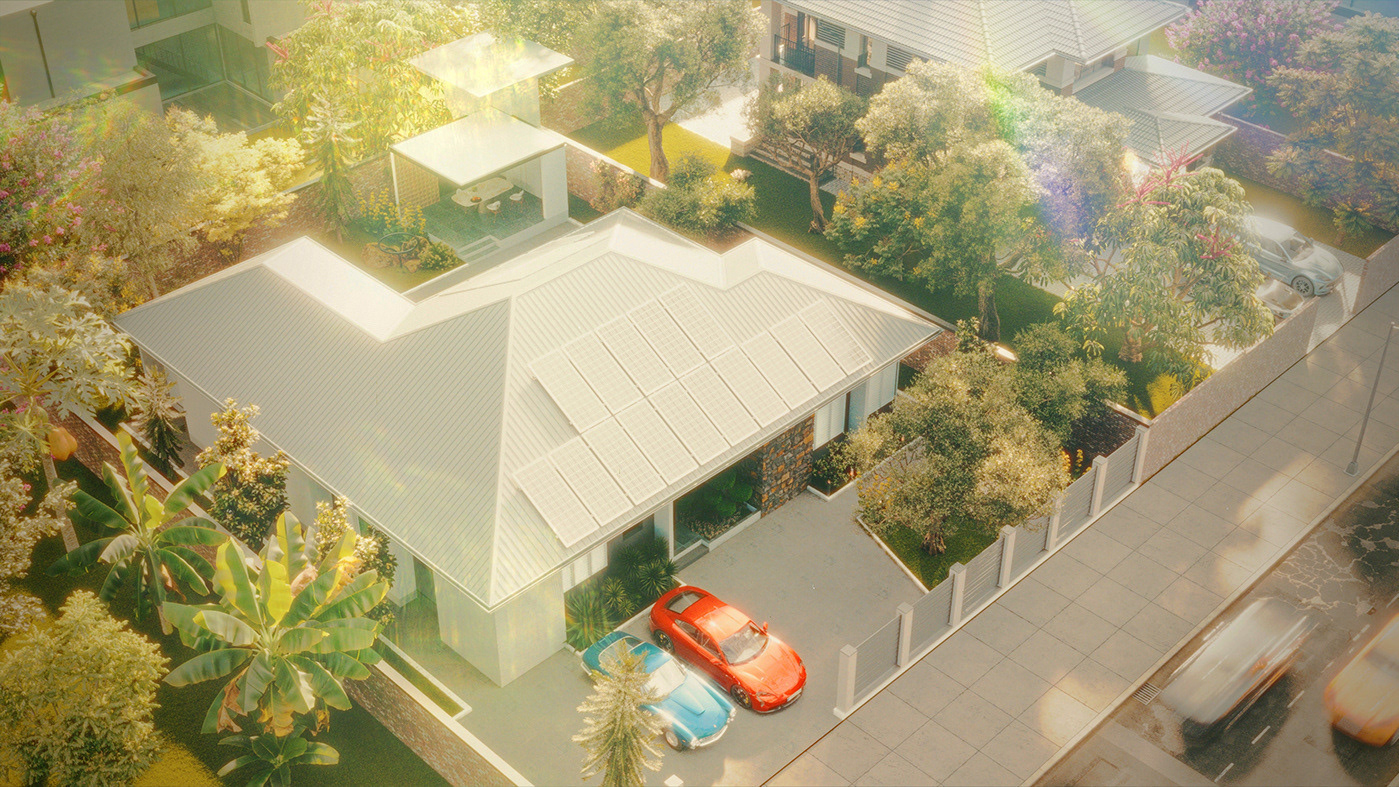
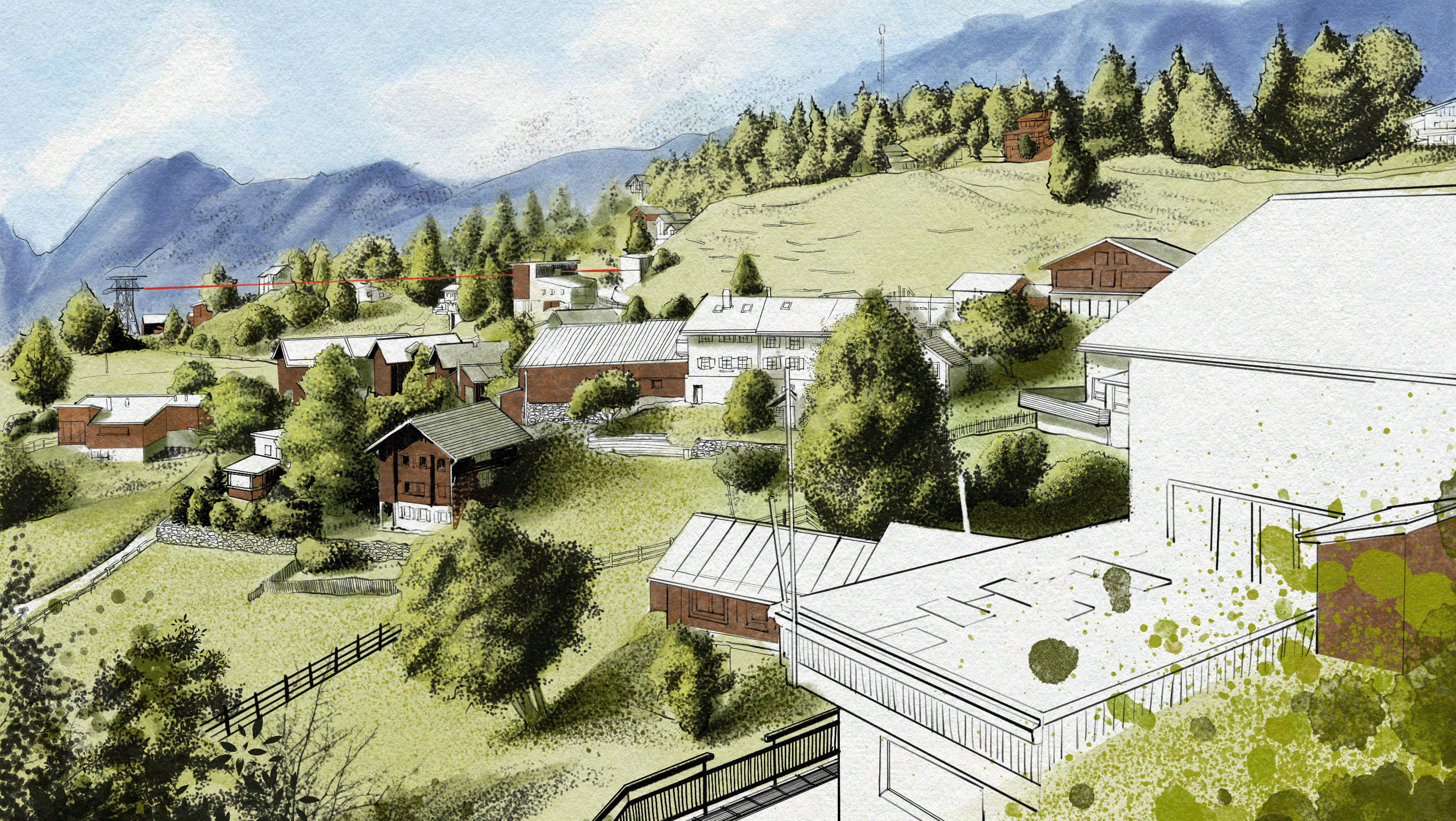
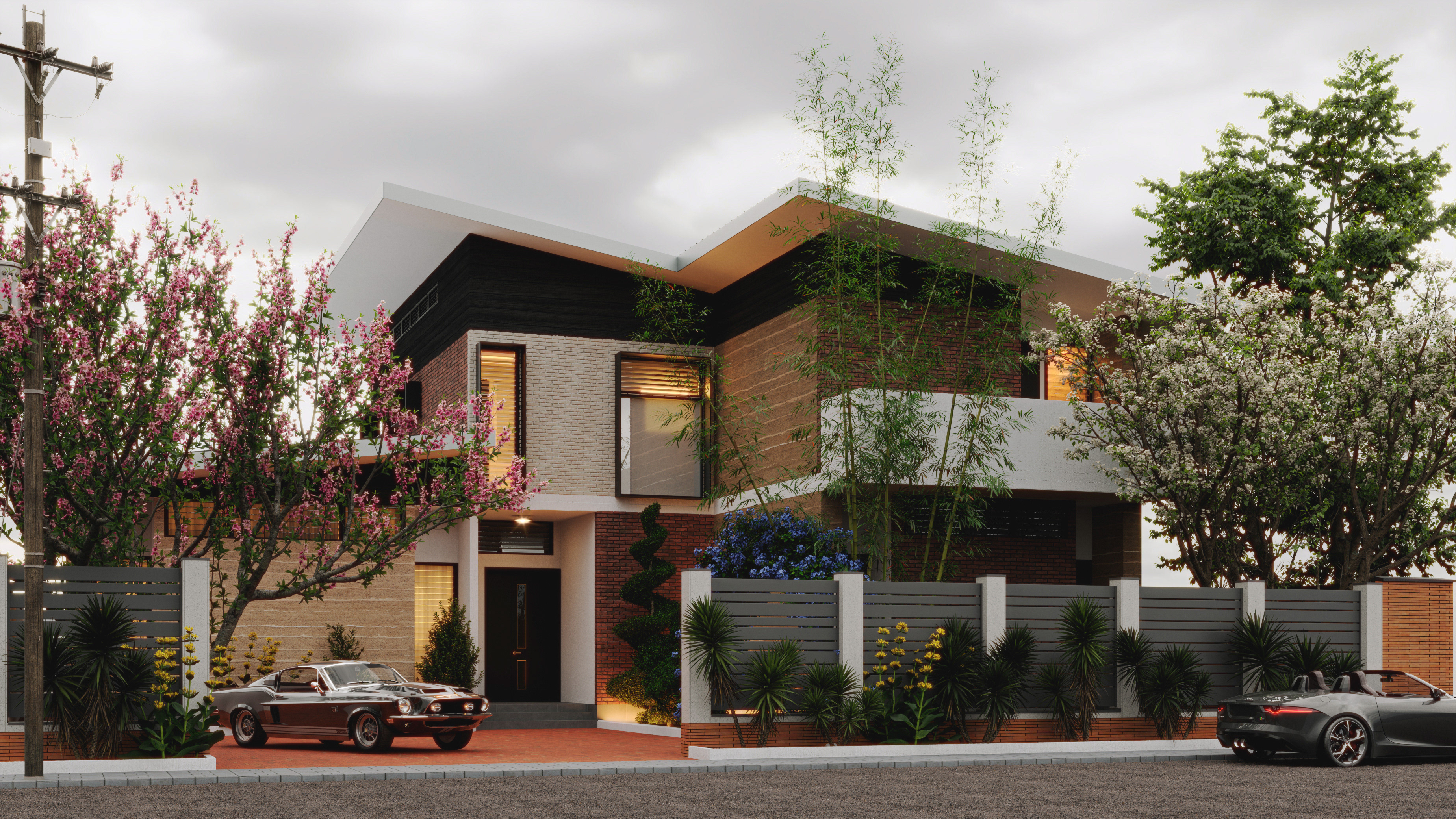
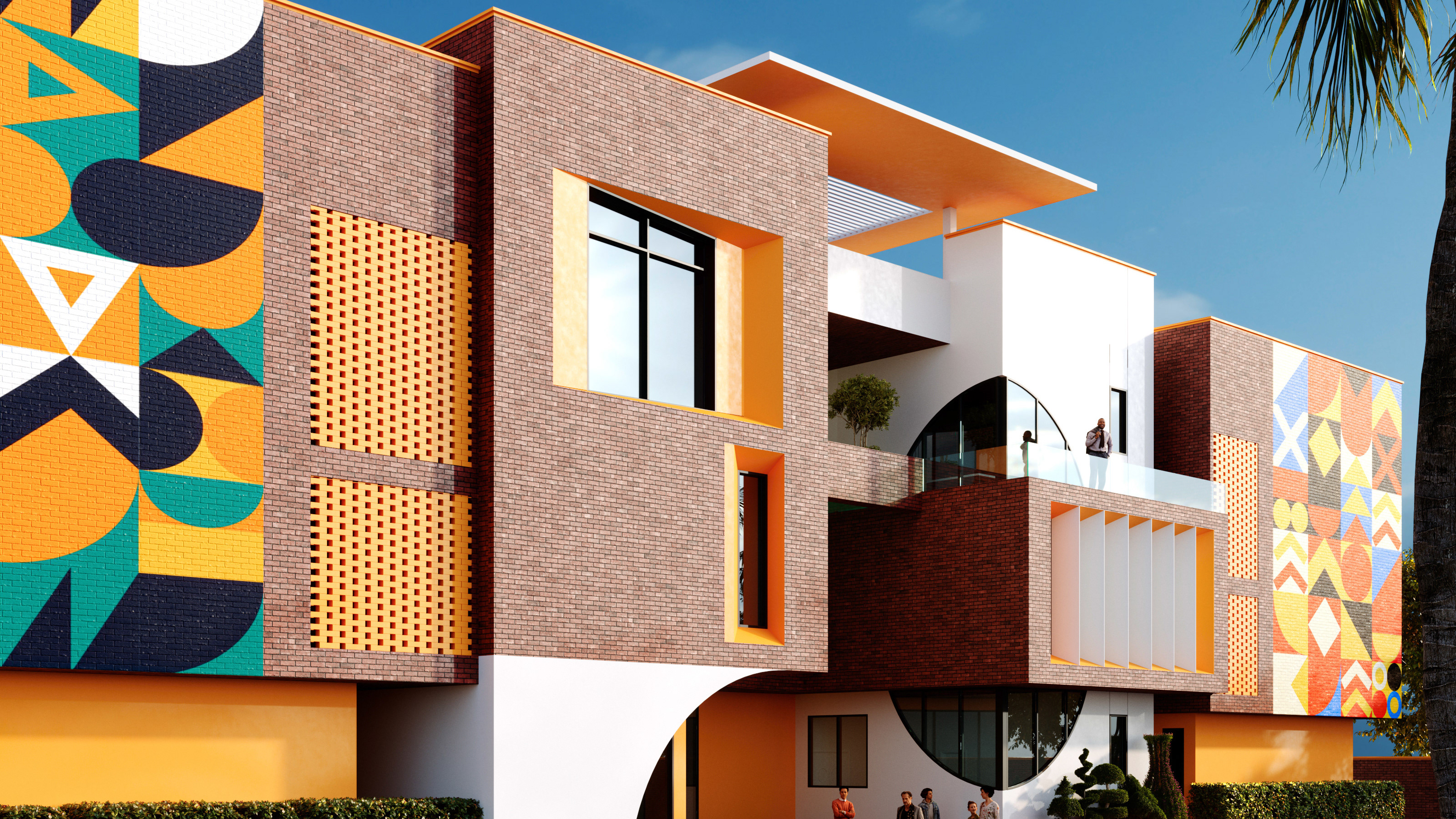
The Art Studio Complex begins with an educational truth: creative growth depends on proximity—between disciplines, between students and mentors, between quiet concentration and public critique. When studio spaces are scattered, learning becomes intermittent and exhausting; the campus loses the productive friction that forms a culture of making. This proposal reframes the studio not as a room, but as an ecosystem.
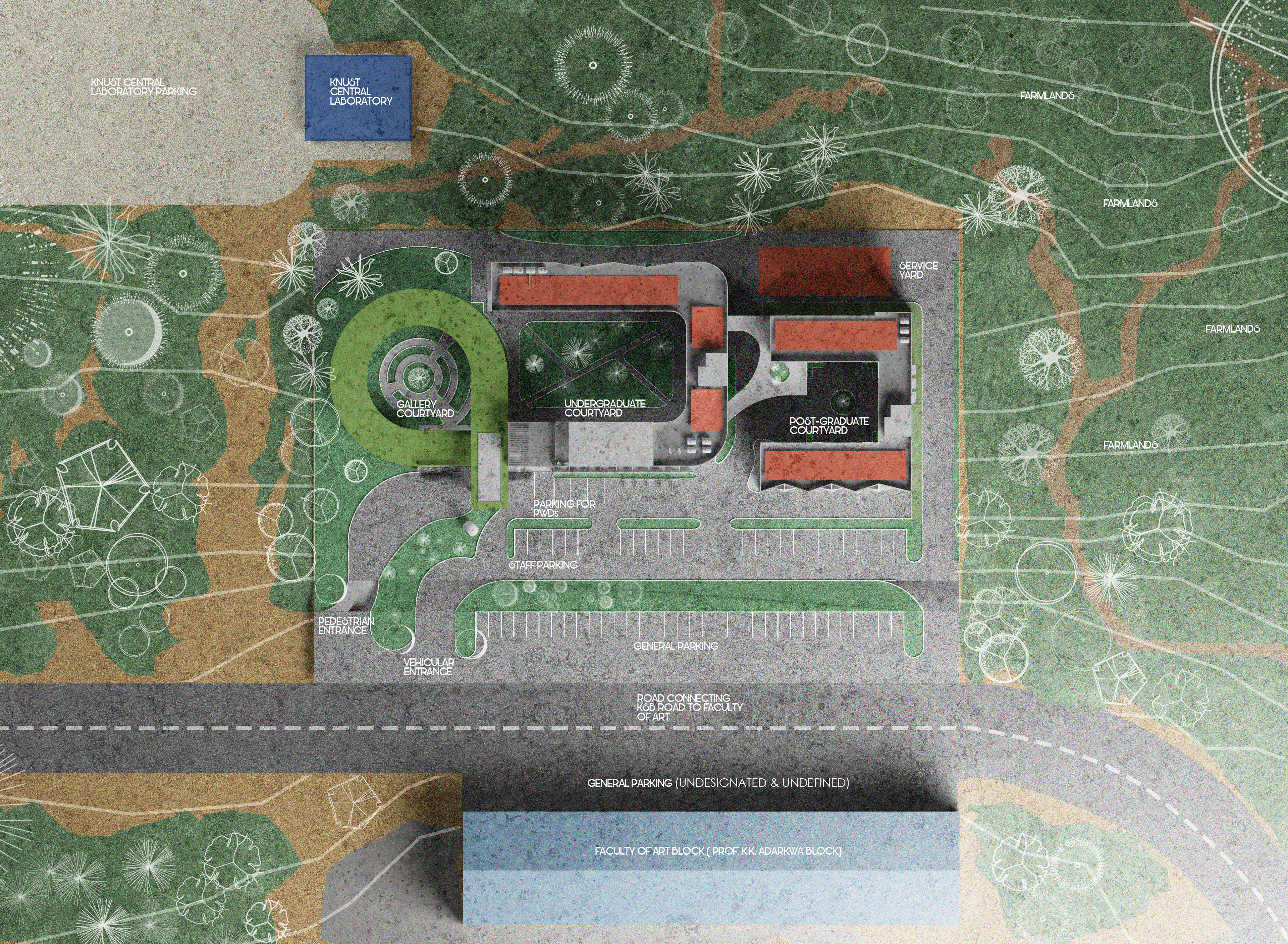
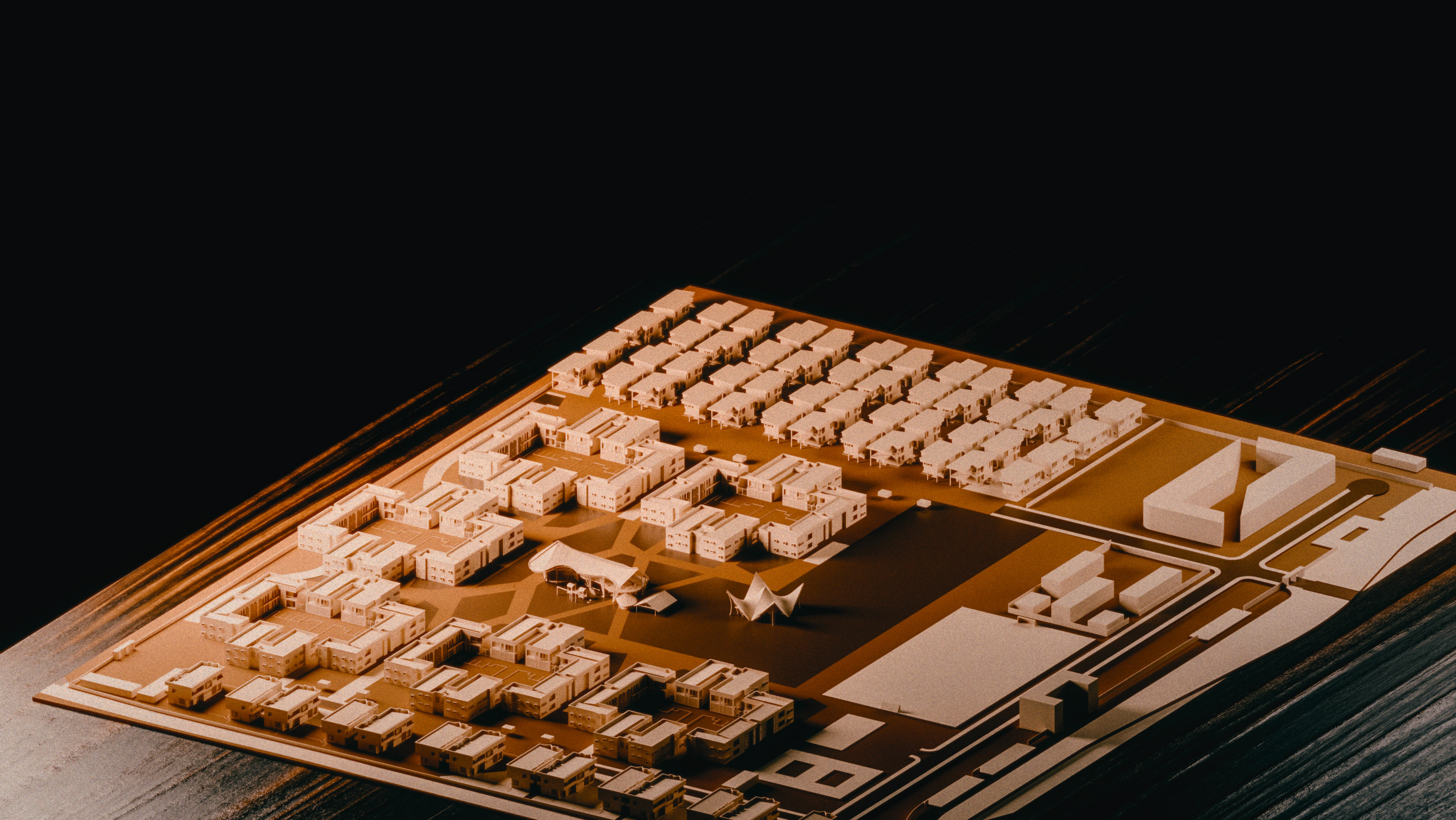
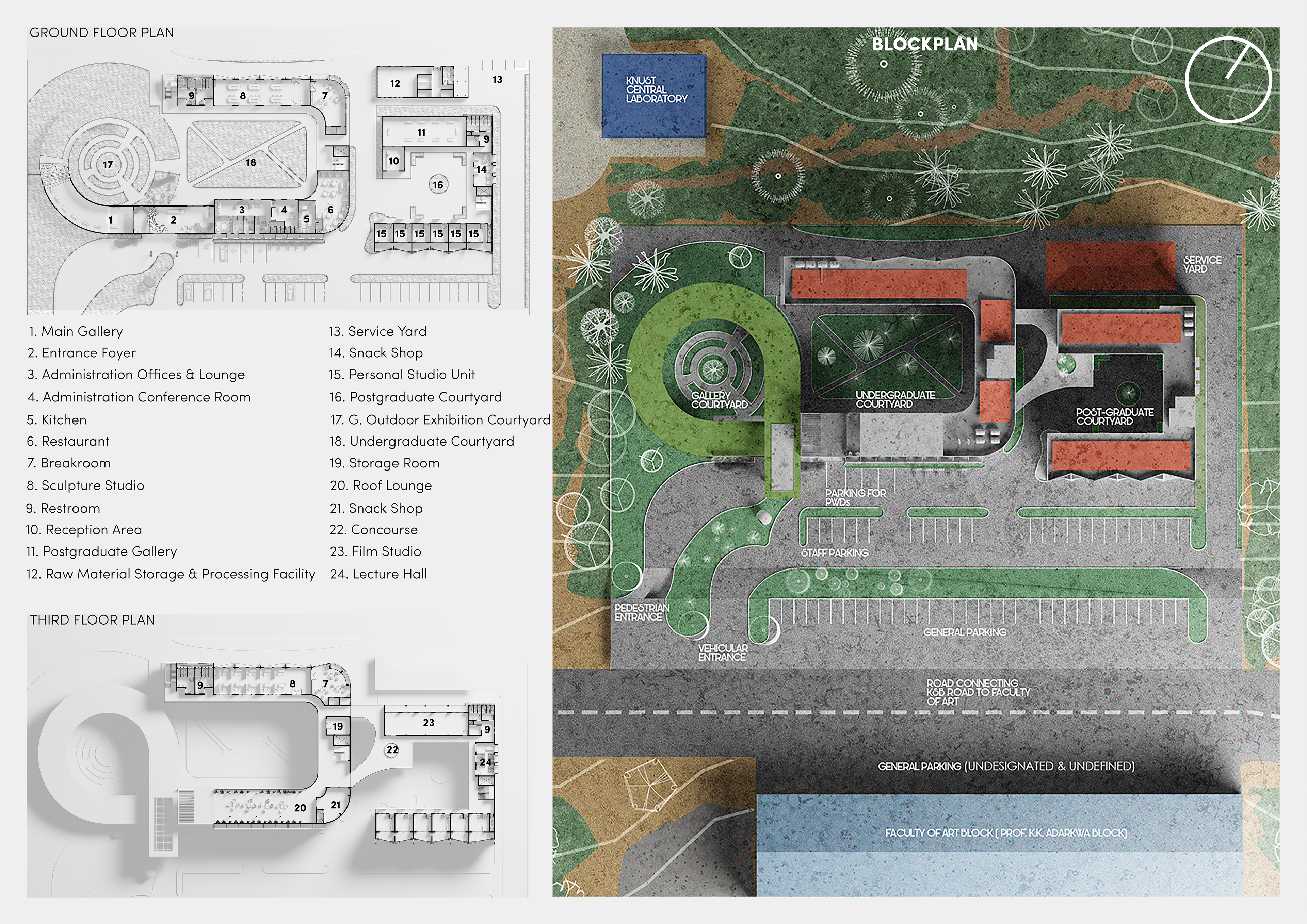
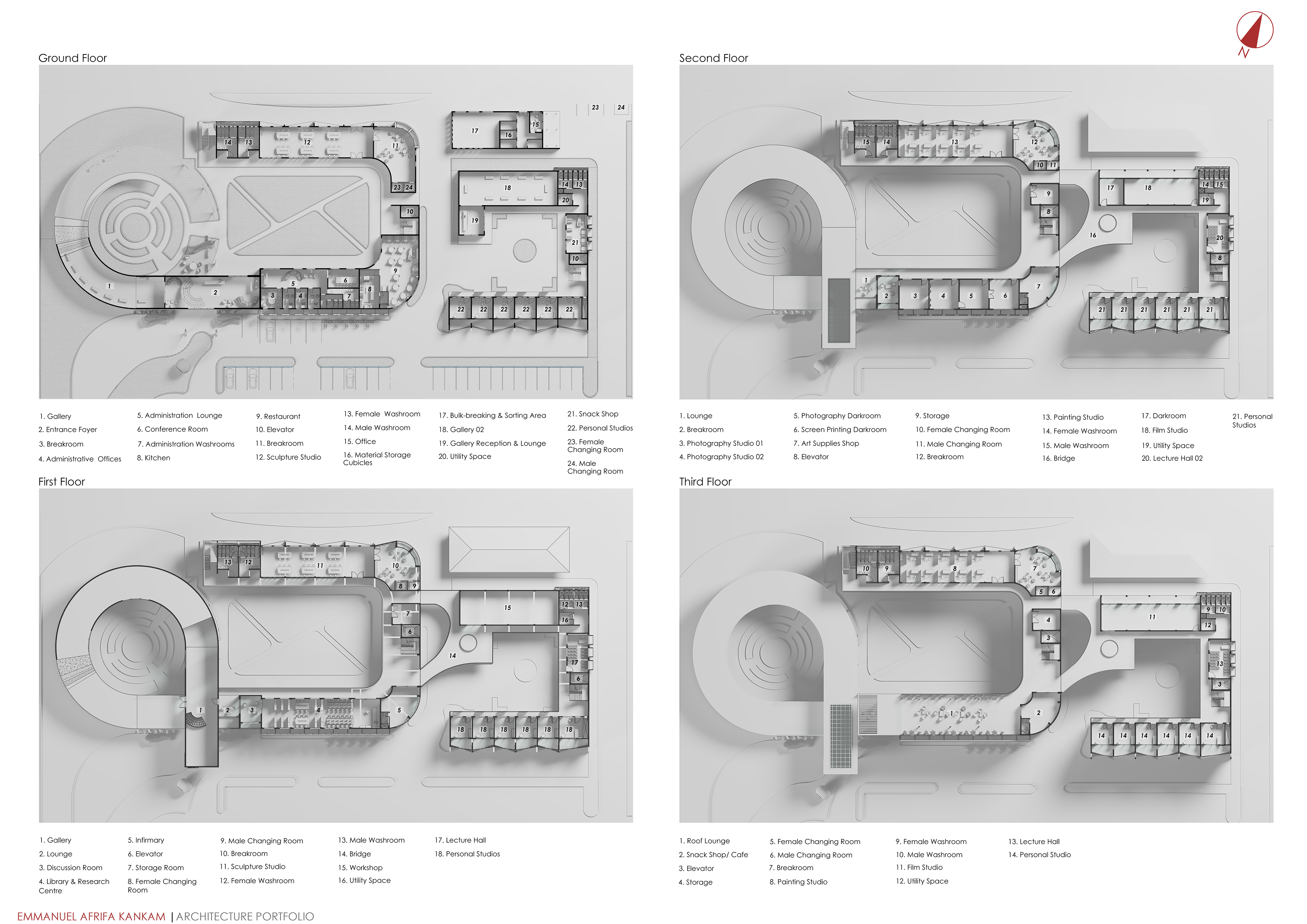
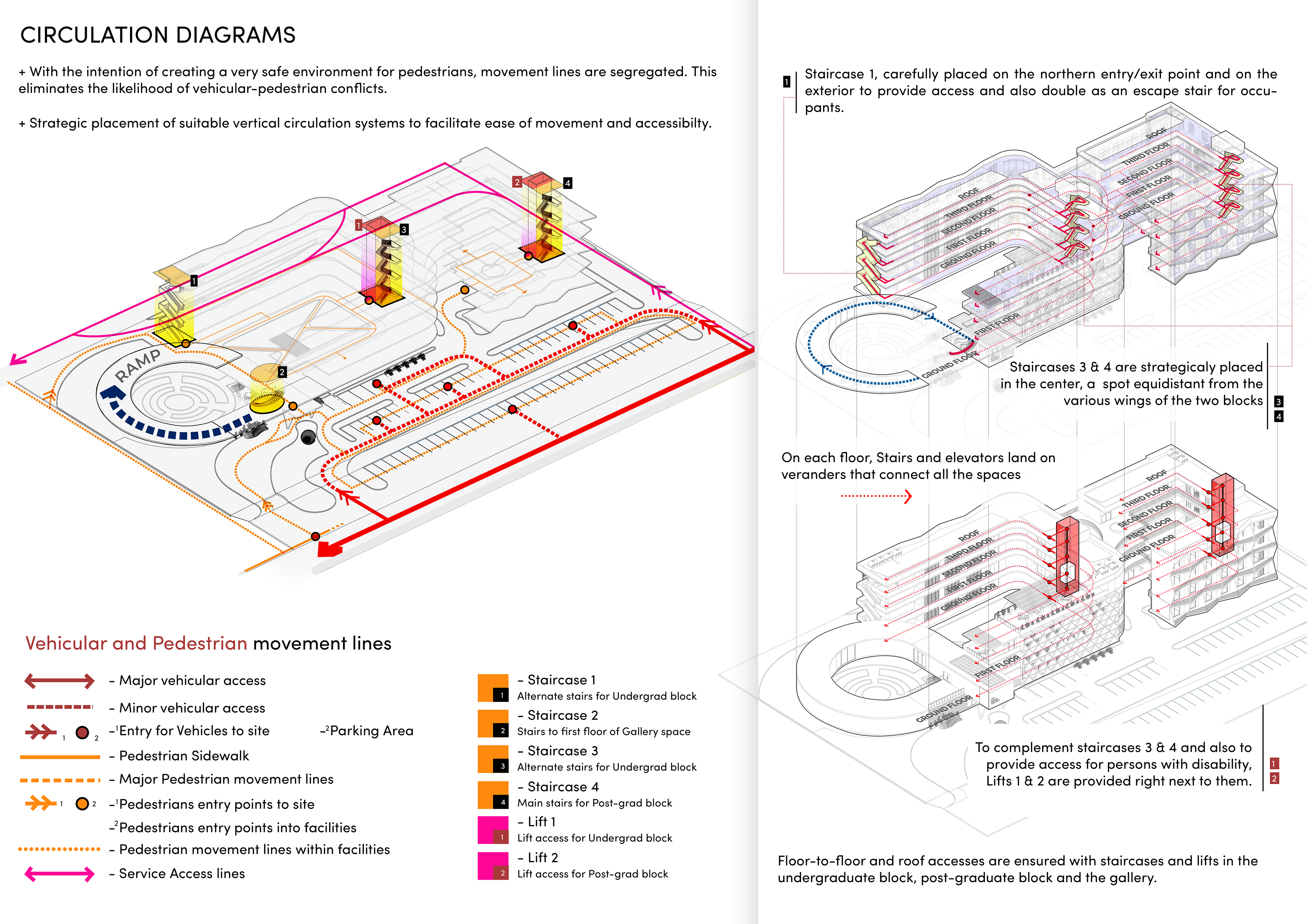
The design is organized as a legible sequence—arrival, shared circulation, courtyards, and clustered workspaces—so that movement itself becomes pedagogy. The project avoids the false choice between openness and focus: it creates shared edges for collisions and conversation, while placing more sensitive activities in calmer pockets. Workshops and messy making are treated with respect for safety and maintenance; cleaner studios and critique spaces are given controlled light and calmer acoustics. In other words, the building is not simply composed—it is operated.
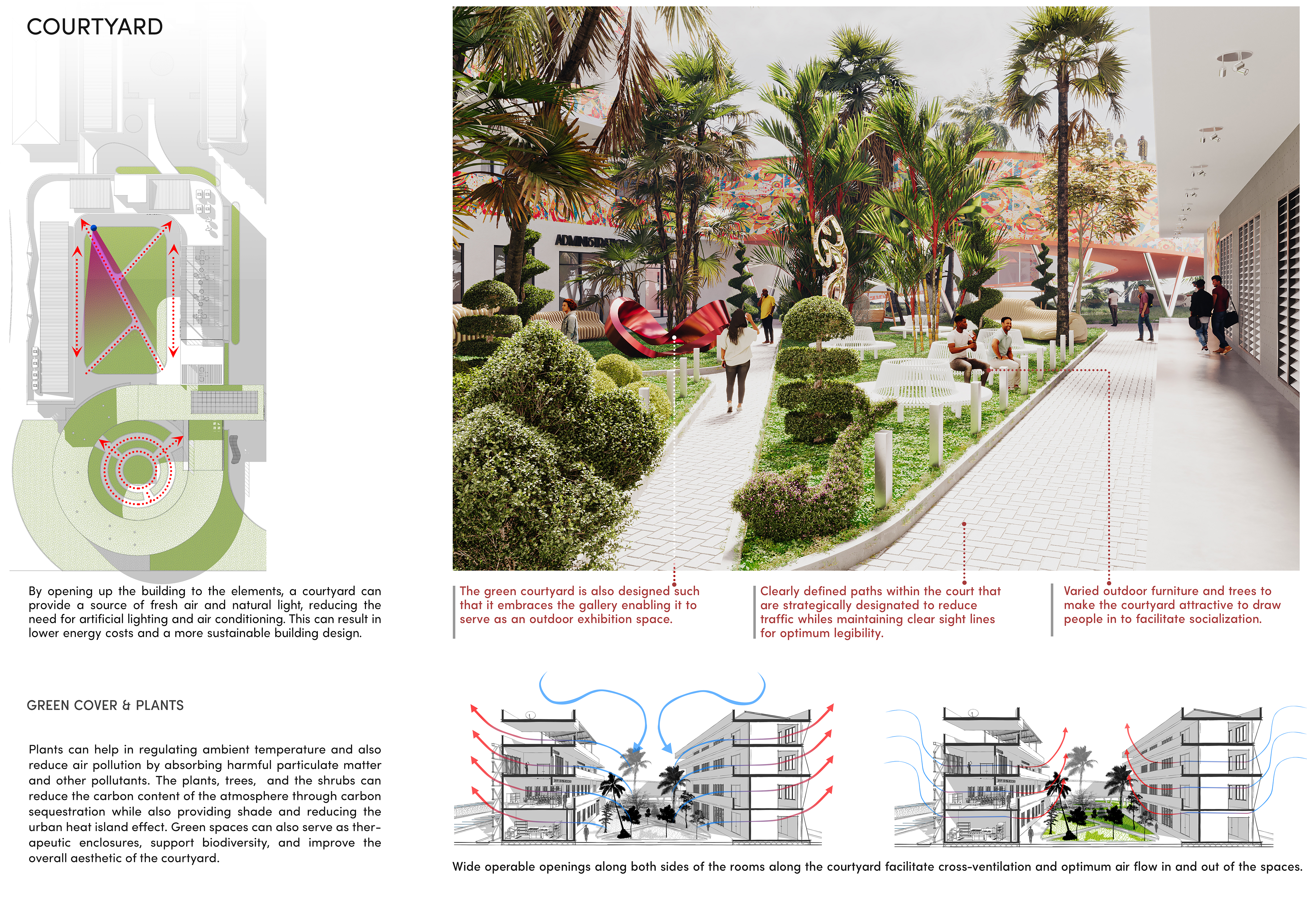
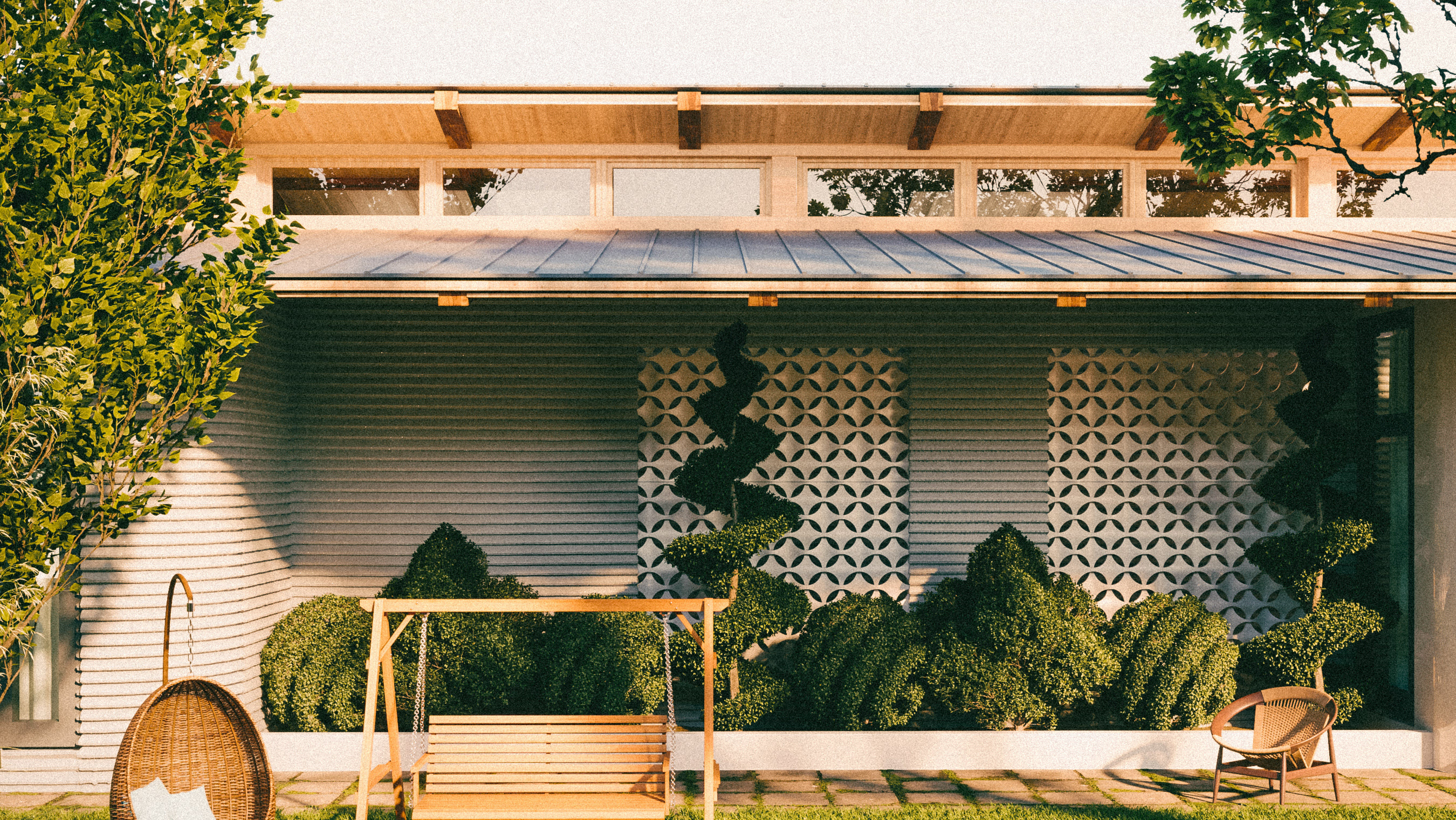
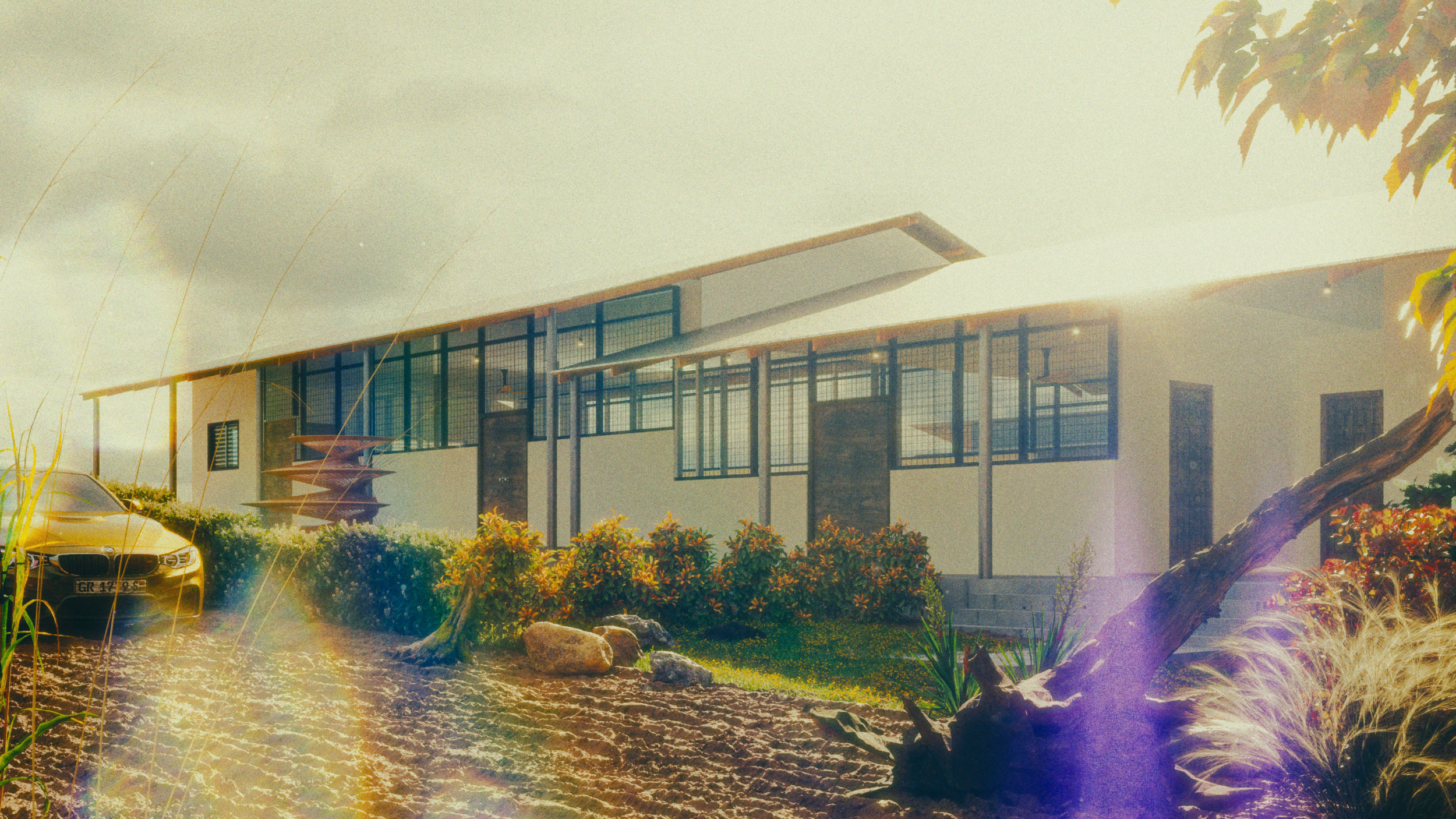
Climate is treated as an instructor, not an enemy. Courtyards moderate heat and form outdoor rooms for critique, pin-ups, and informal instruction. Shaded thresholds act as thermal buffers and expand the usable footprint without expanding built area. Daylight is shaped deliberately—bright enough to work, calm enough to see. The architecture asks the building to perform what a creative education demands: endurance, clarity, and a humane rhythm.
Ultimately, the complex proposes a campus place where craft is visible, learning is social, and making is not pushed to the margins. It is a building that respects how artists actually work: with tools, with bodies, with time—and with each other.
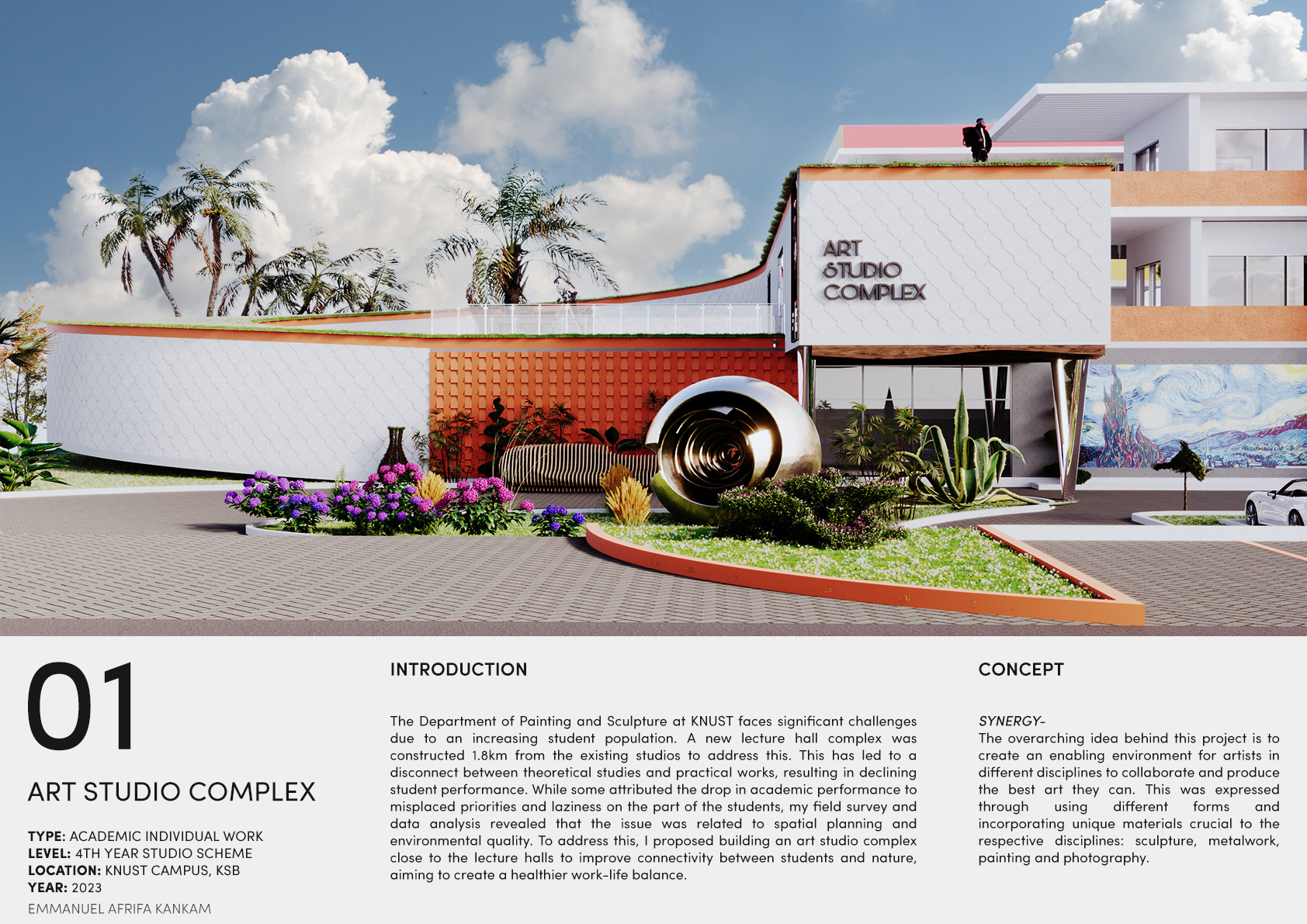
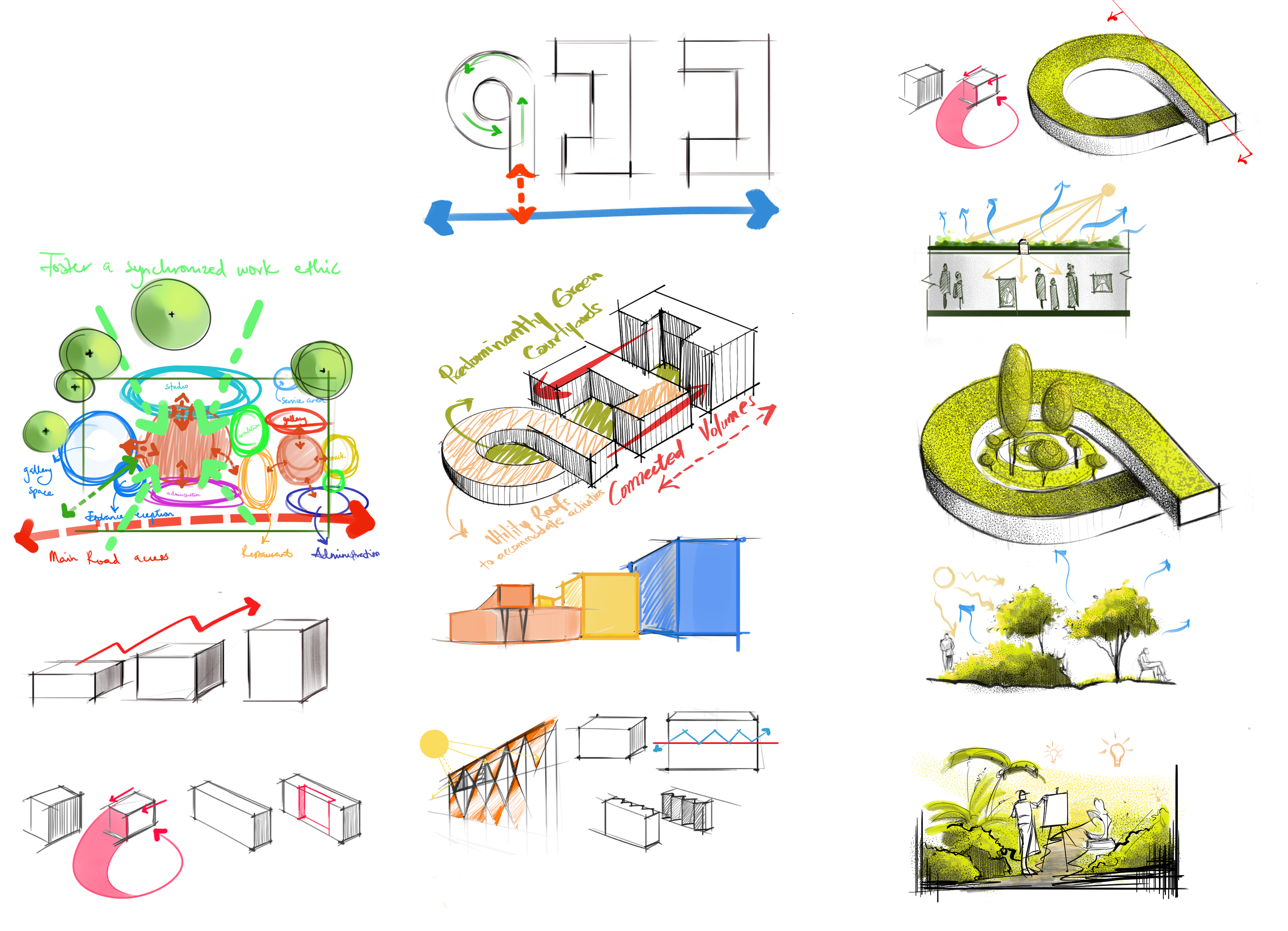
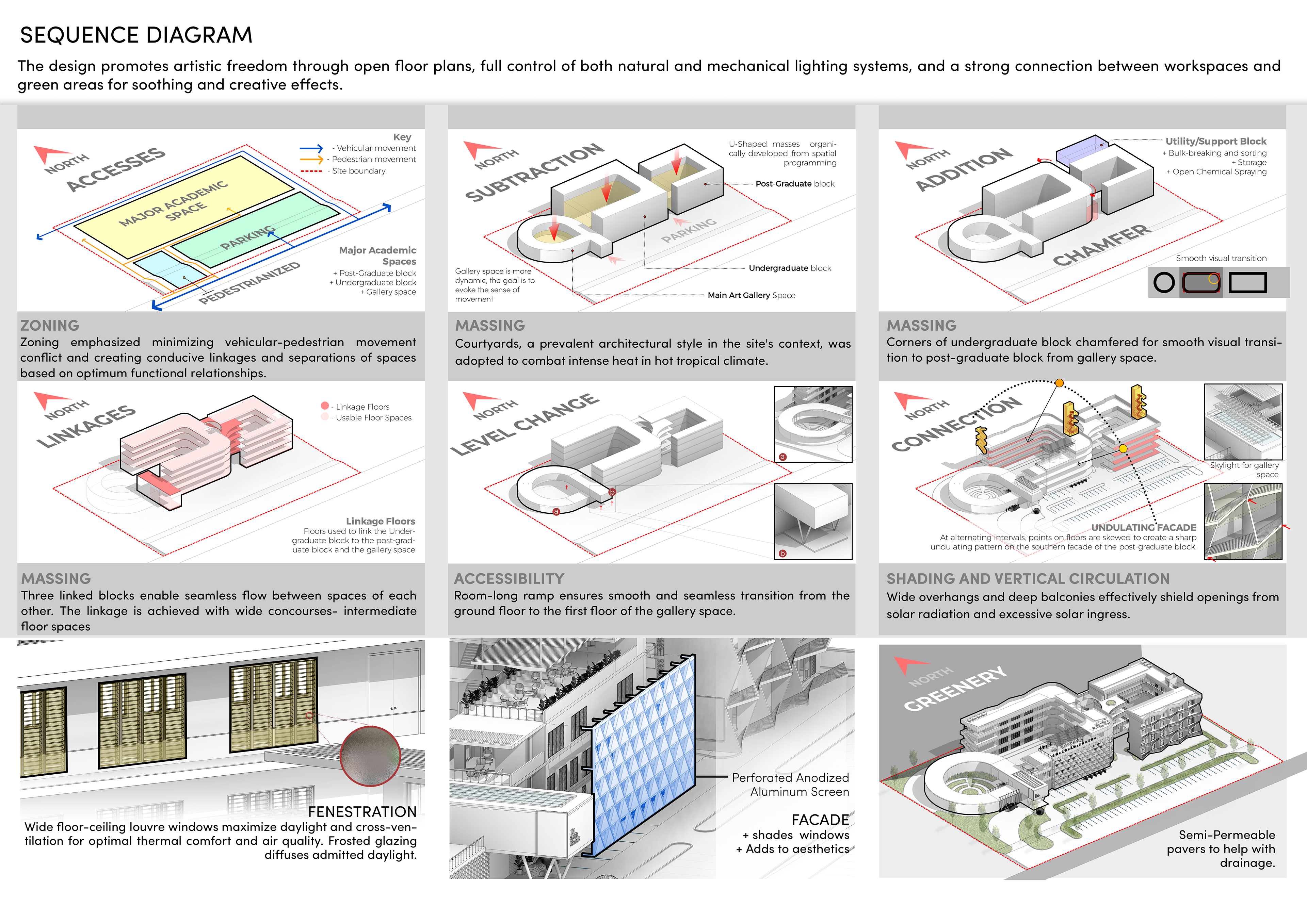
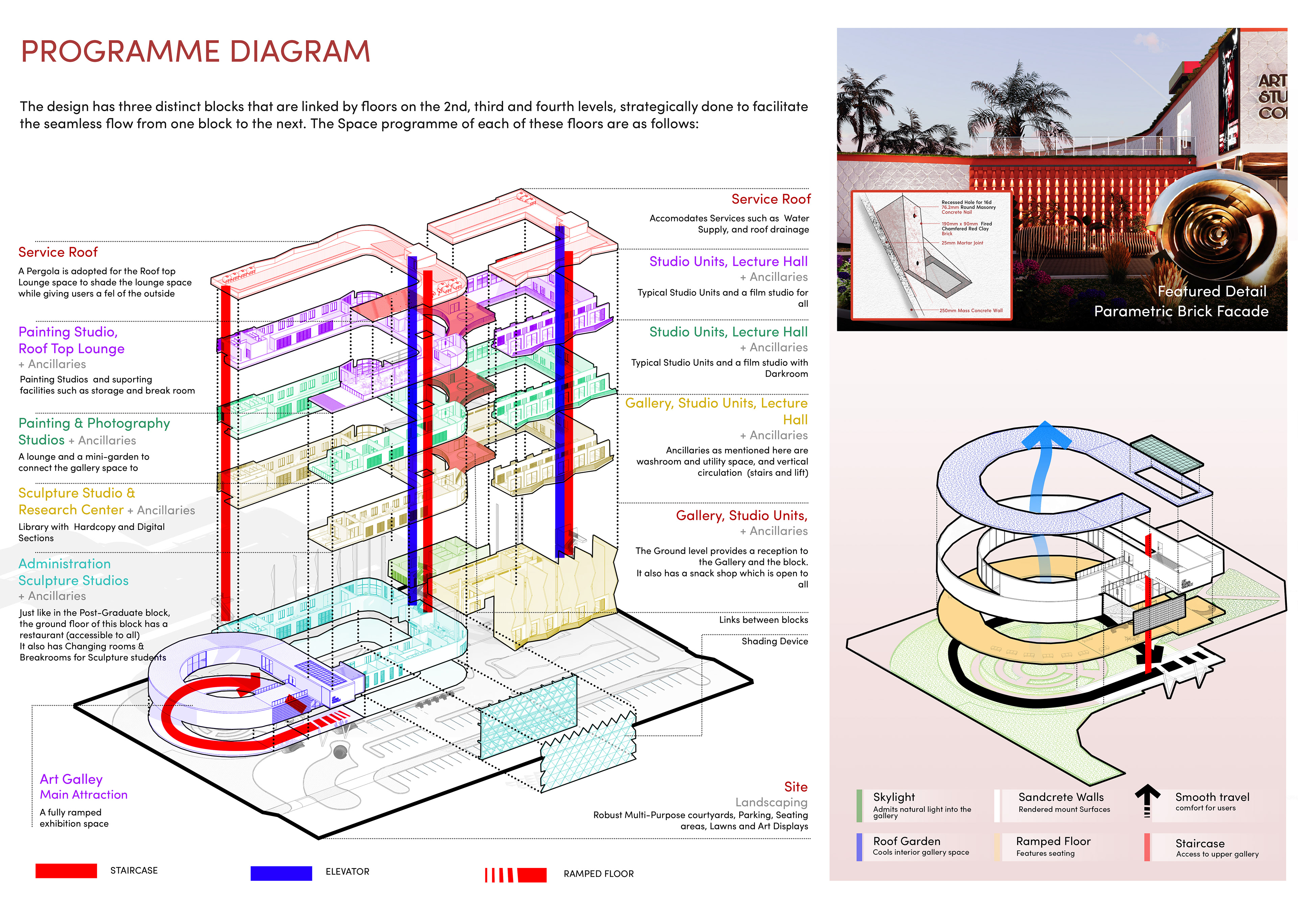
Design moves
Courtyard learning: outdoor rooms for critique, pin-ups, and relief from heat
A social spine: circulation as collaboration infrastructure, not leftover corridor
Zoning by intensity: “dirty/noisy” workshops separated from “clean/quiet” studios
Threshold architecture: shaded edges extend use, reduce heat stress, and improve legibility
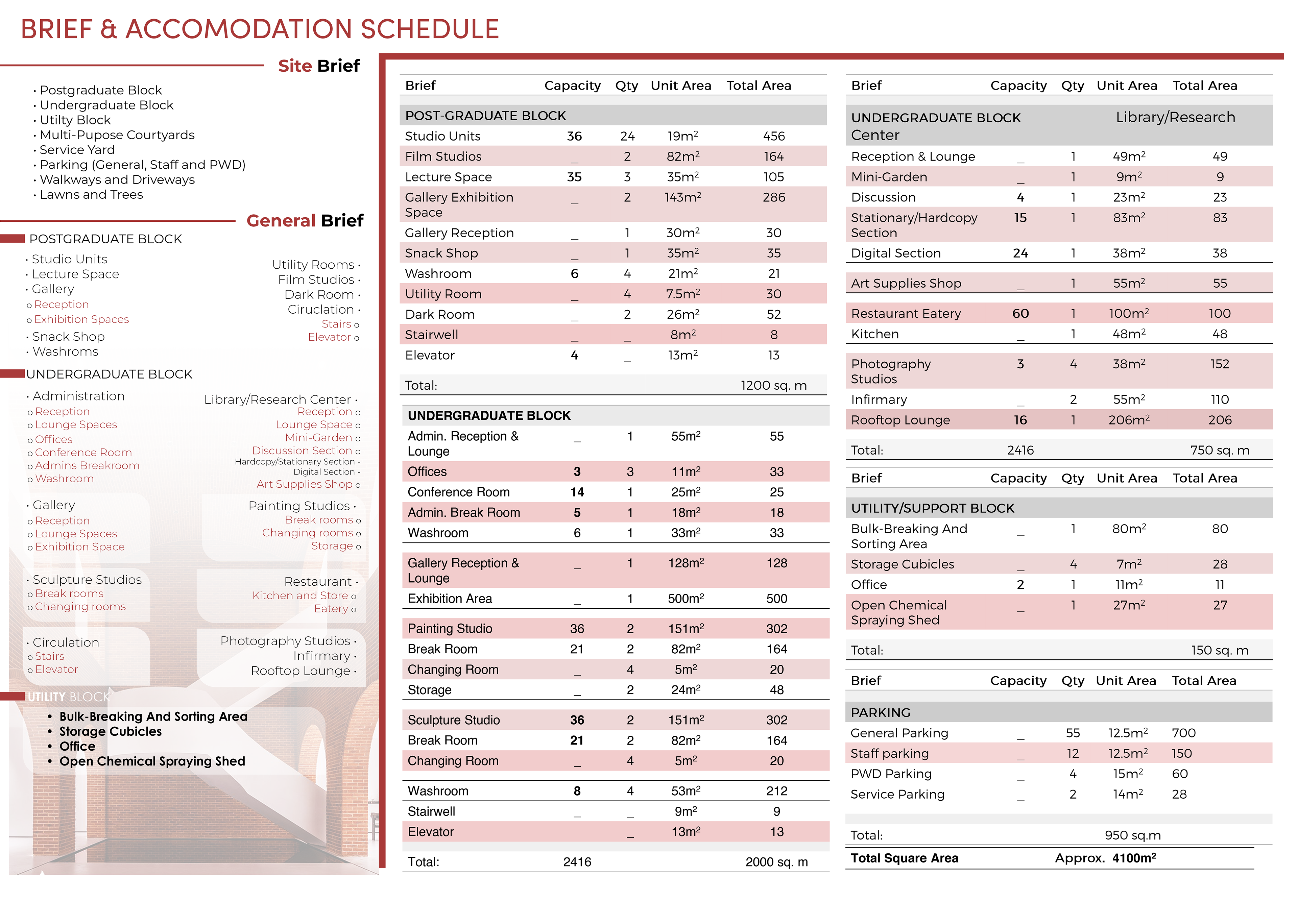
Comfort / performance strategy
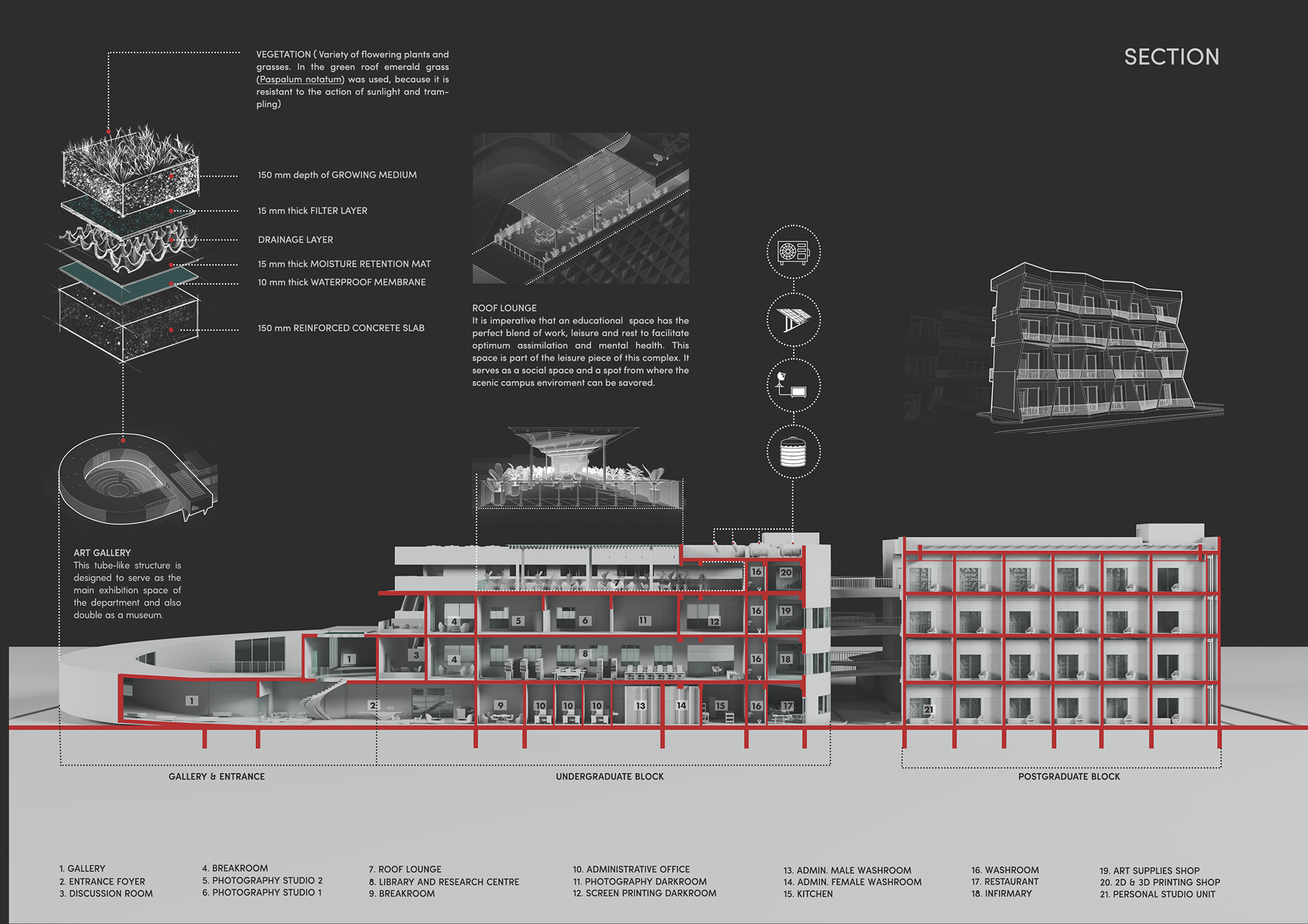
Shade-first massing: deep overhangs, arcades, and protected walkways reduce glare and heat gain
Ventilation-led planning: cross-ventilation paths aligned with openings and courtyards to keep studios breathable
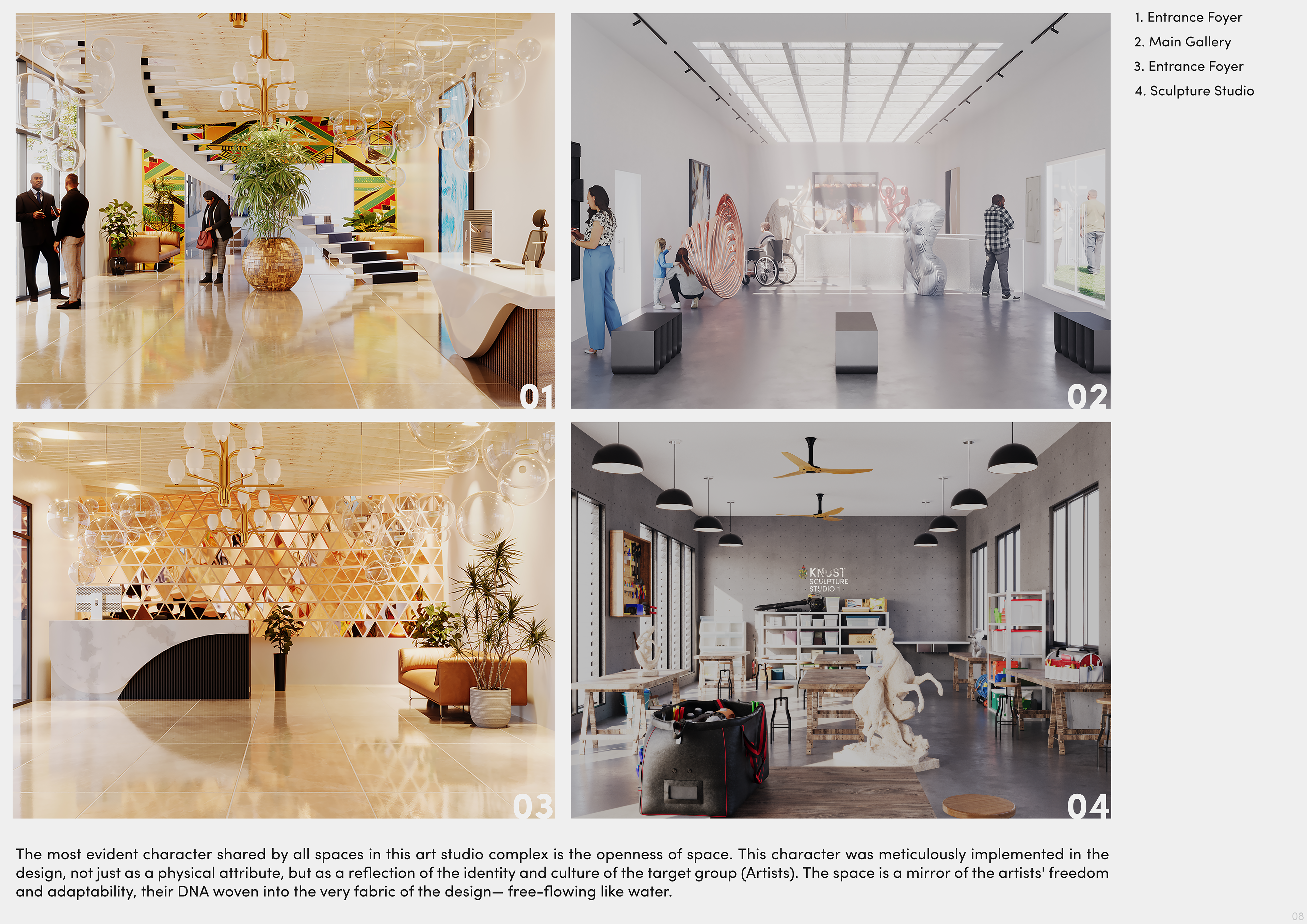
Daylight discipline: balanced studio daylight (workable brightness without harsh glare) through controlled apertures and shading depth
Thermal buffering: courtyards and shaded transitional zones reduce indoor thermal pressure and improve comfort
Acoustic calm where needed: quieter zones positioned away from workshop intensity to support focus and critique